Every contractor has a clean install day in mind when they bid a siding job.
The crew shows up, layout is solid, cuts are predictable, and the wall starts looking like a wall fast. That is the version that makes the numbers work.
Then there is the other version. The one where the job does not technically go wrong, but everything takes longer. Not because your crew forgot how to work, but because the material turns the install into a constant series of tiny fixes.
You do not usually feel that pain in the material line item. You feel it in labor.
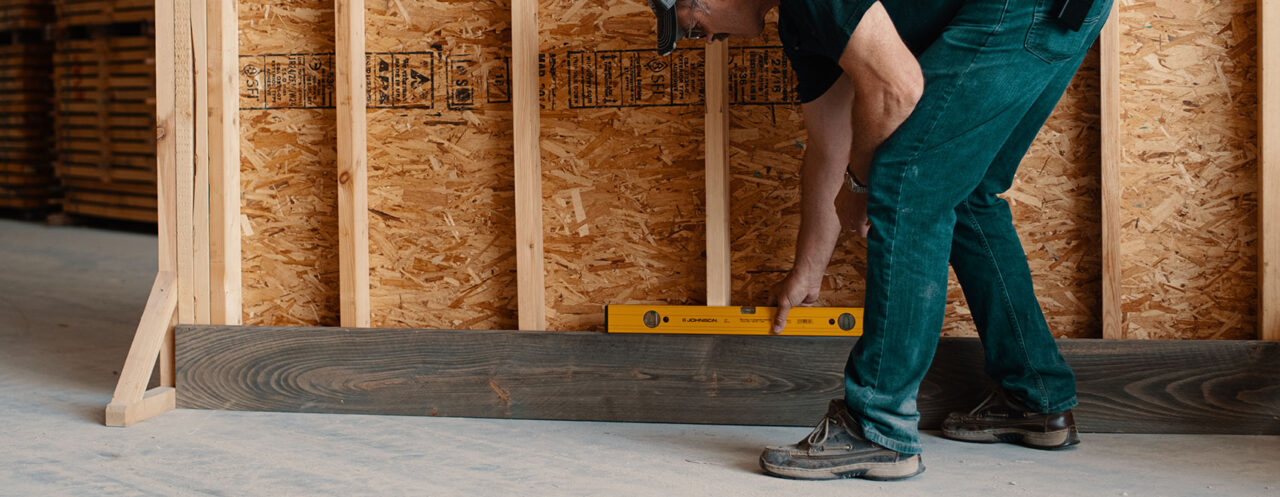
When boards arrive inconsistent, the first hour is sorting. What is straight enough? What needs extra coaxing? What gets pushed aside because it is going to cause trouble later? That time rarely makes it into the estimate, but it always shows up on the schedule.
After that comes the “little stuff” that adds up fast.
One board needs a little extra trimming to sit right. Another joint does not land how it should, so you shift your layout, which means your next cut changes, which means your next seam changes. You start burning time protecting the look.
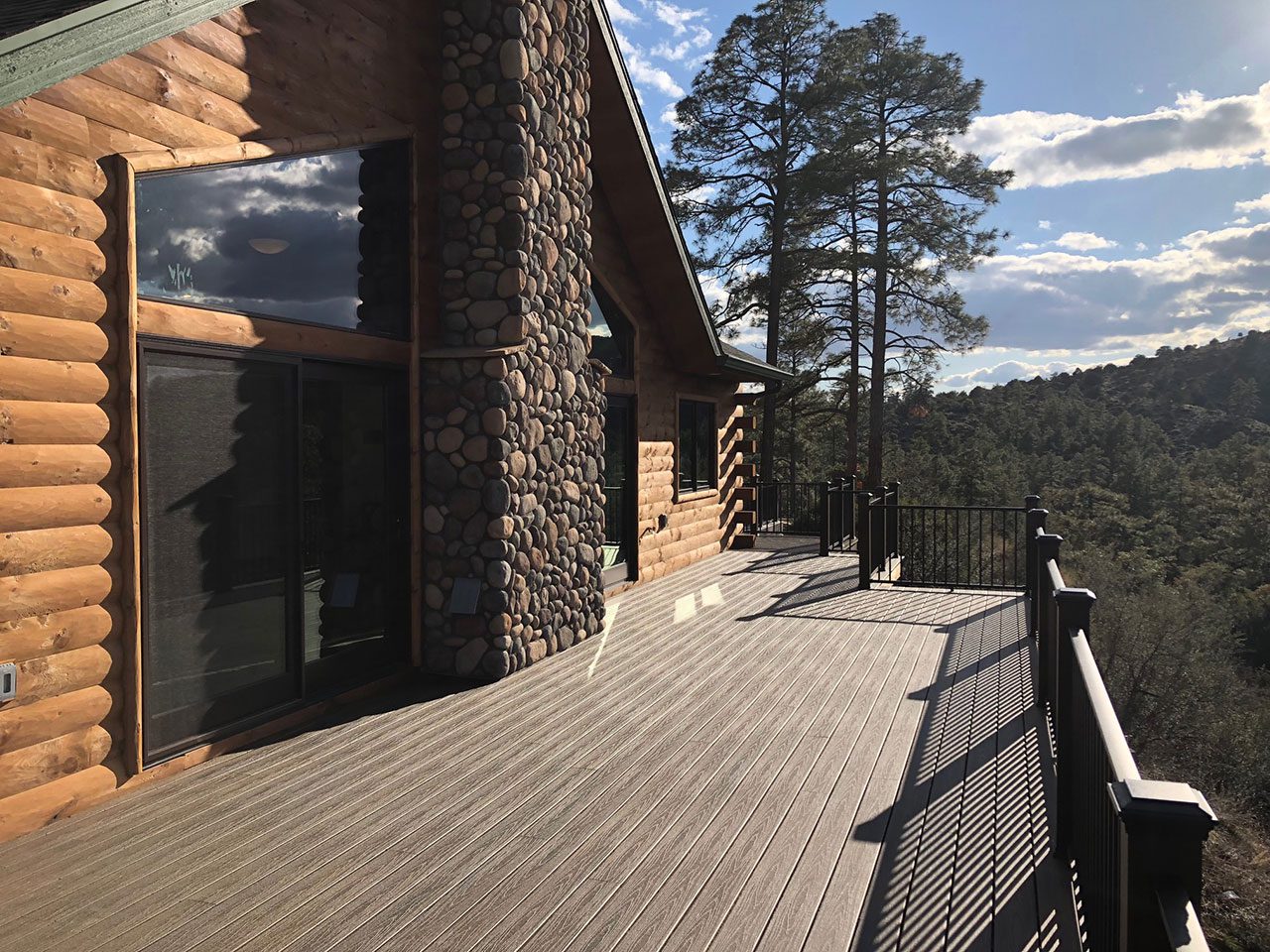
And looks matter. On a log siding job, seams and alignment are visible. Homeowners do not know what moisture content is, but they know when something looks off. They also notice when the crew is still there on day four when the plan was day three.
This is where quality becomes practical.
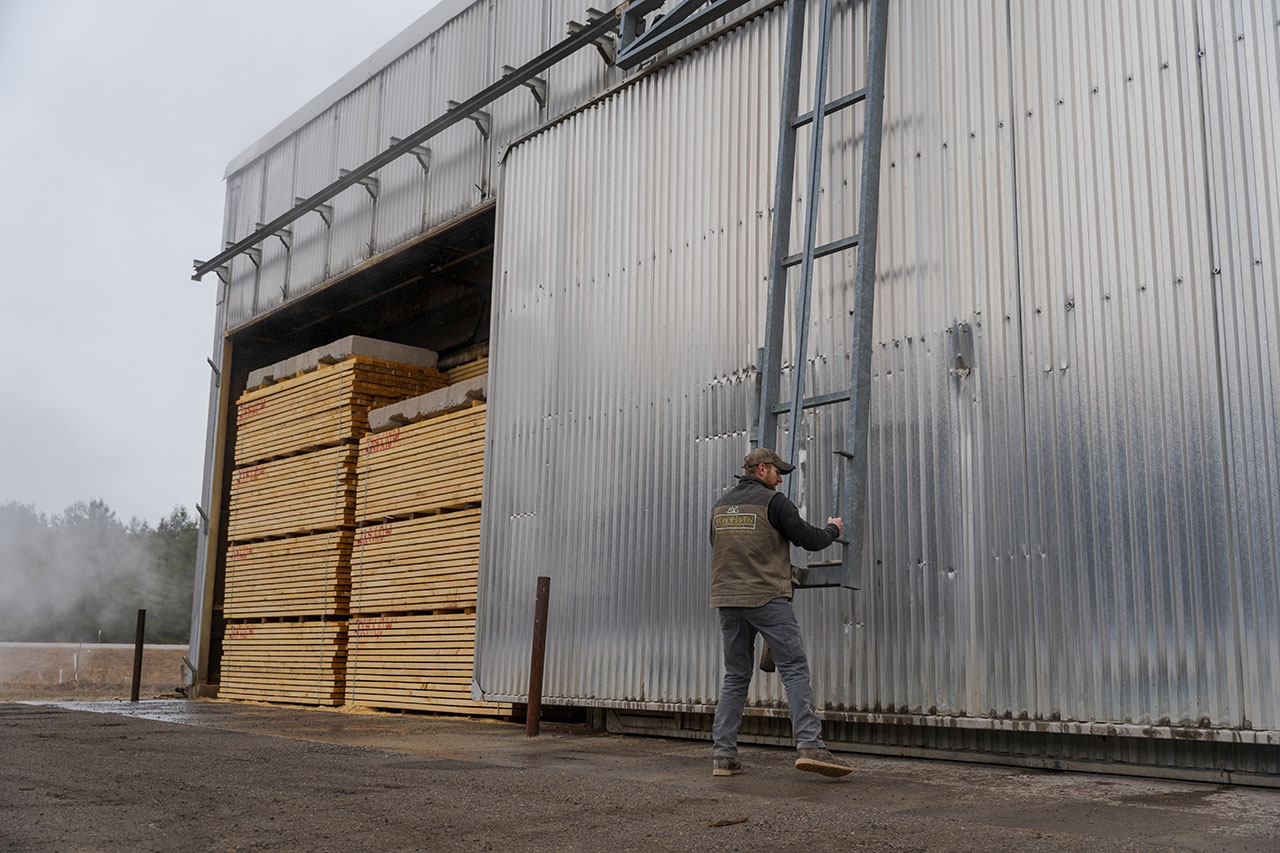
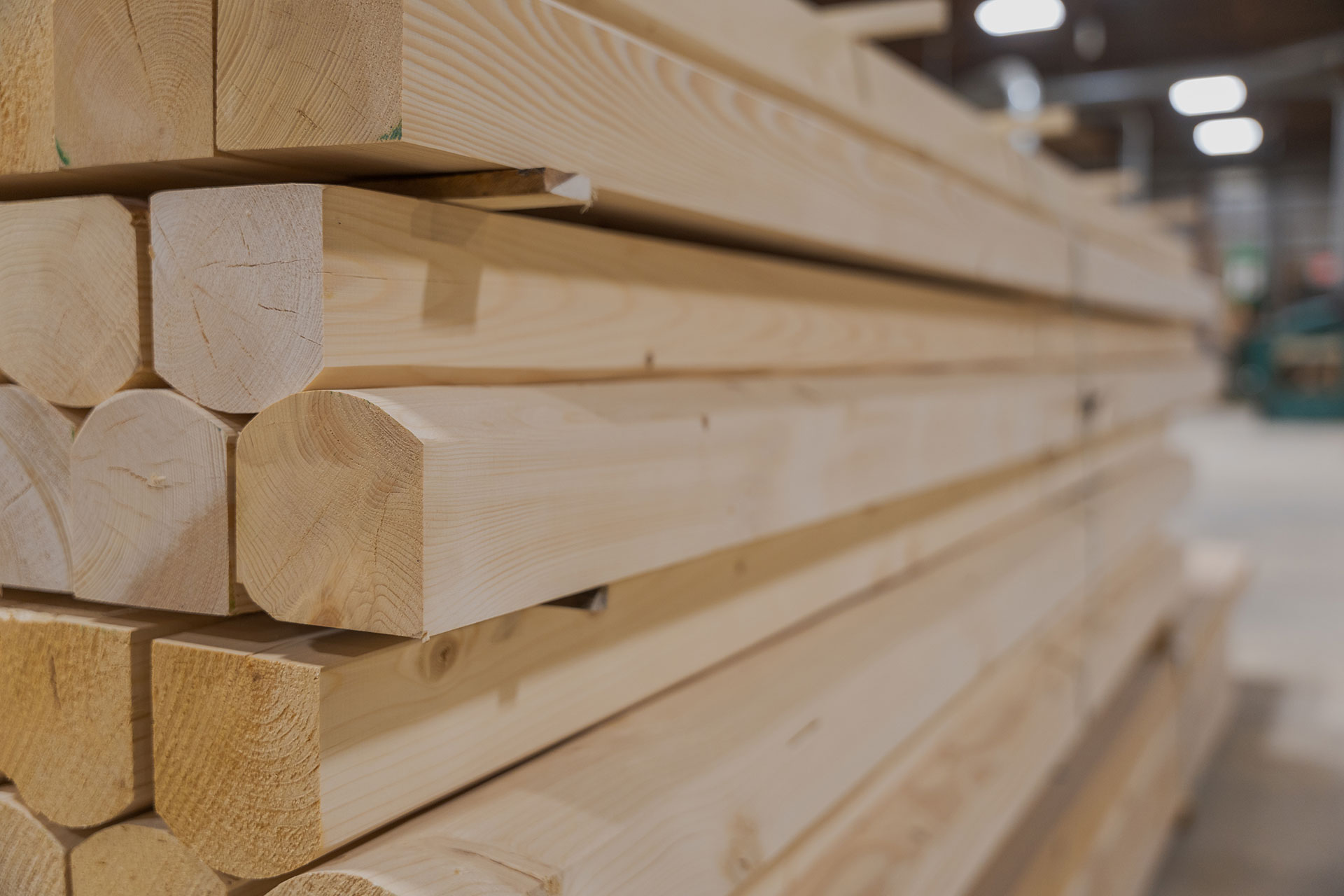
Wood is like a sponge. If it is not dried with care, it keeps trying to adjust to its environment. That movement shows up as boards that do not behave the same from piece to piece. Better kiln drying and tighter quality control typically mean straighter, more stable boards that are easier to work with and less likely to fight you during install.
The payoff is not just “nice material.” It is fewer interruptions.
When boards are consistent, you spend more time installing and less time managing. The layout stays true. Tongue and groove joints seat cleanly. End matching helps boards lock in at more points on the wall, which can reduce fussy cuts and reduce waste.
That is labor you can actually predict.
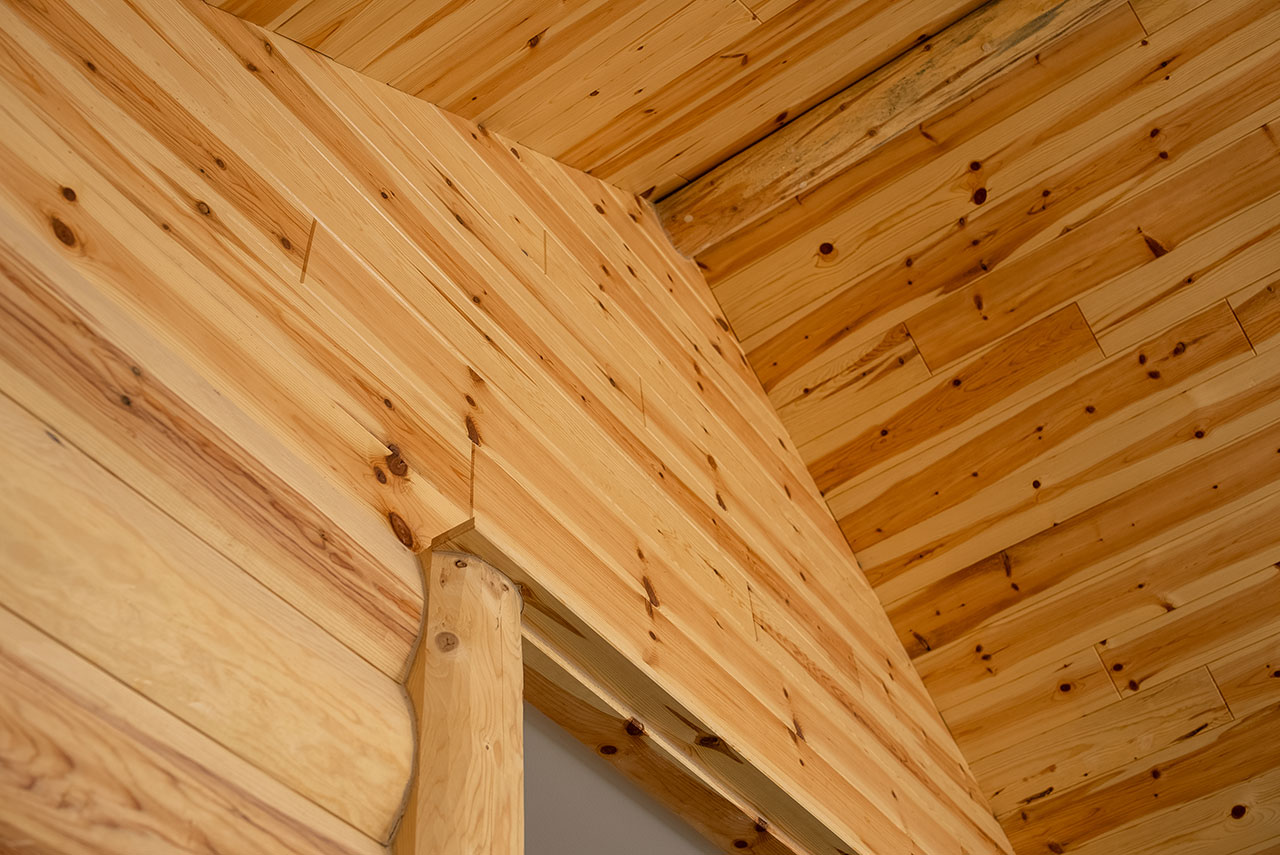
When the install goes cleaner, your bid gets sharper because you do not have to include as much padding in your hours. Your crew gets off the job when you said they would. You protect your schedule for the next project instead of borrowing days from it.
Material quality is not a luxury for contractors. It is a labor strategy.
If you have ever finished a job thinking, “We did good work, but we worked too hard to get there,” take a hard look at the material. The true cost is usually sitting right there in the time sheet.
Need more information?
We’ve got you covered!
You know the log cabin style is the look for you. Now find out how you can bring it to your home!
Contact us for a free estimate or for any additional questions.