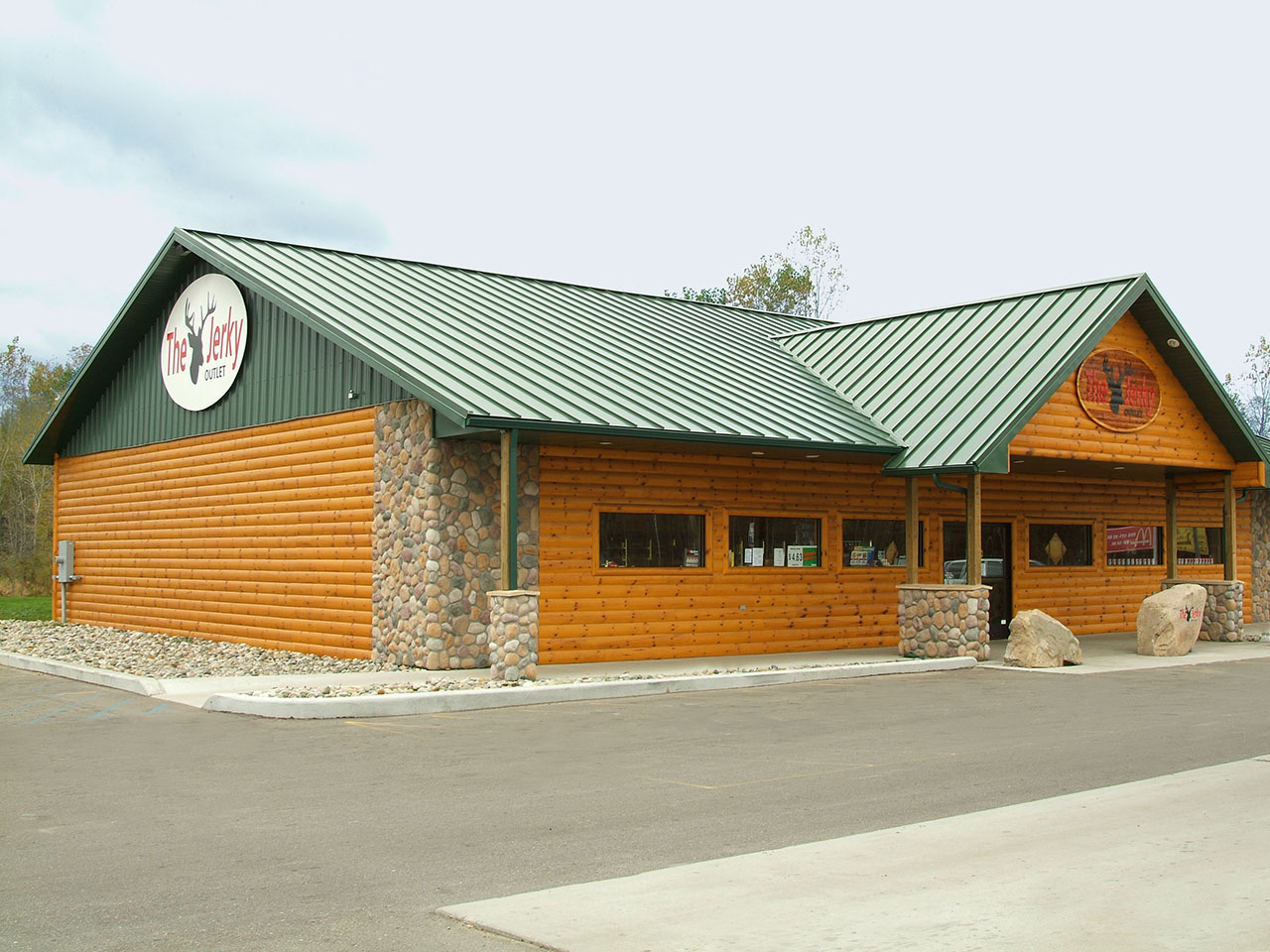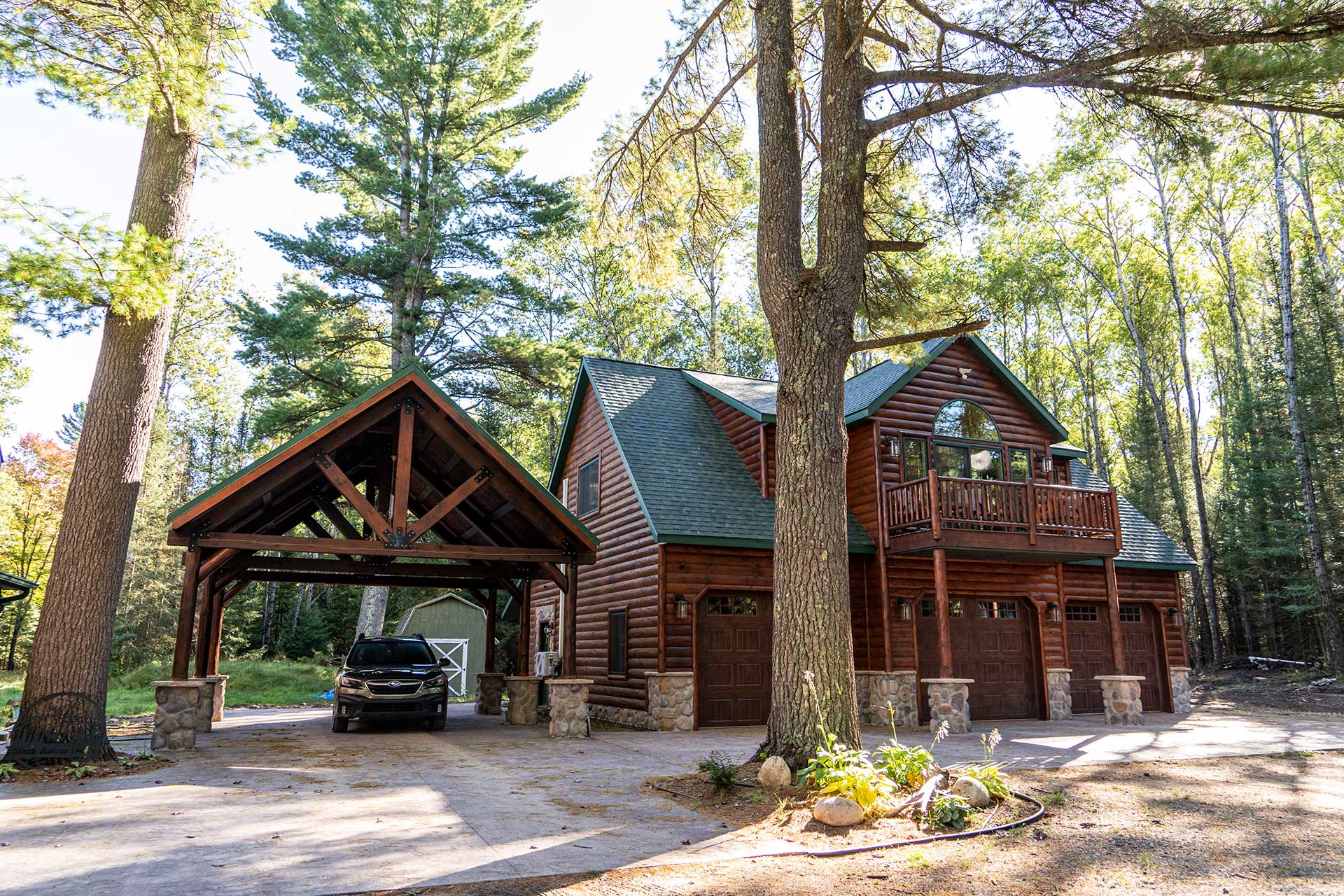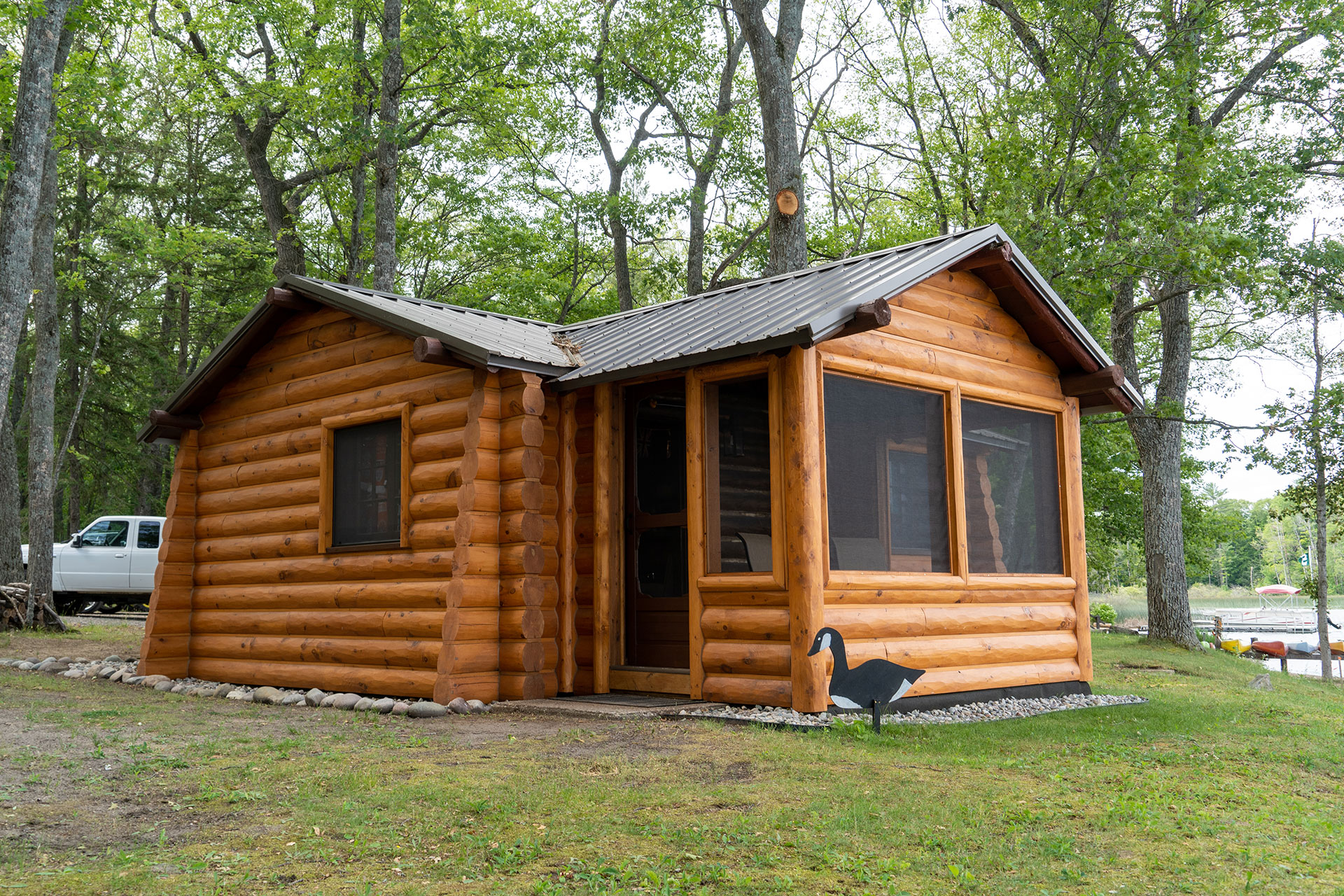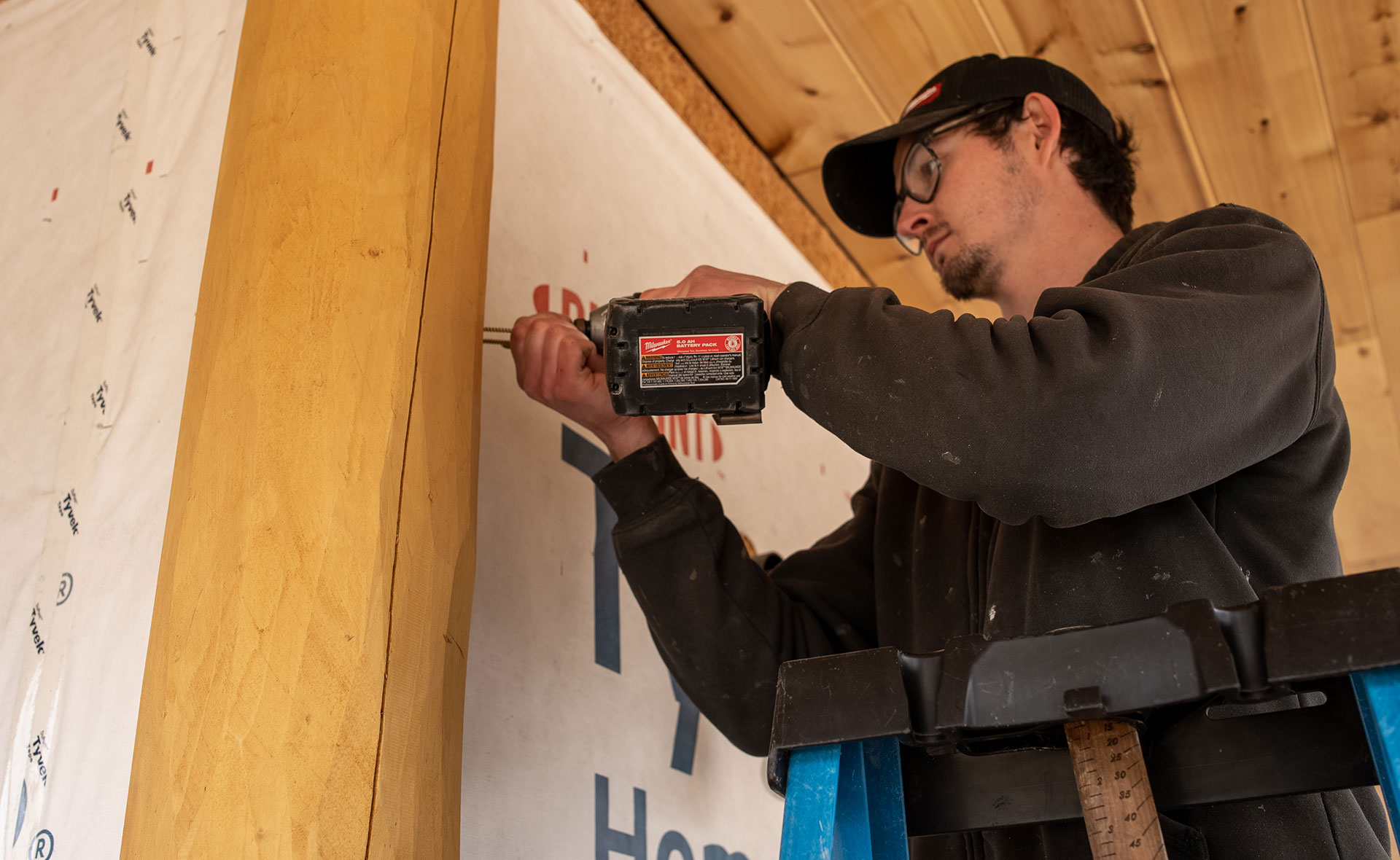
The last thing a contractor wants to hear is that they need to come back. Most callbacks start the same way: “It looked great when you installed it.”
You do the walkthrough, the client is happy, and the details are clean. Nothing was done differently than the last job, yet a few weeks later something starts to change. The finish does not look as consistent, joints begin to shift, or the surface starts to show issues that were not there at completion.
In many cases, the installation itself was never the real problem. With wood products, long-term performance often comes down to how the material responds to moisture, heat, and environmental changes after installation.
When Contractors Get Blamed for Material Problems
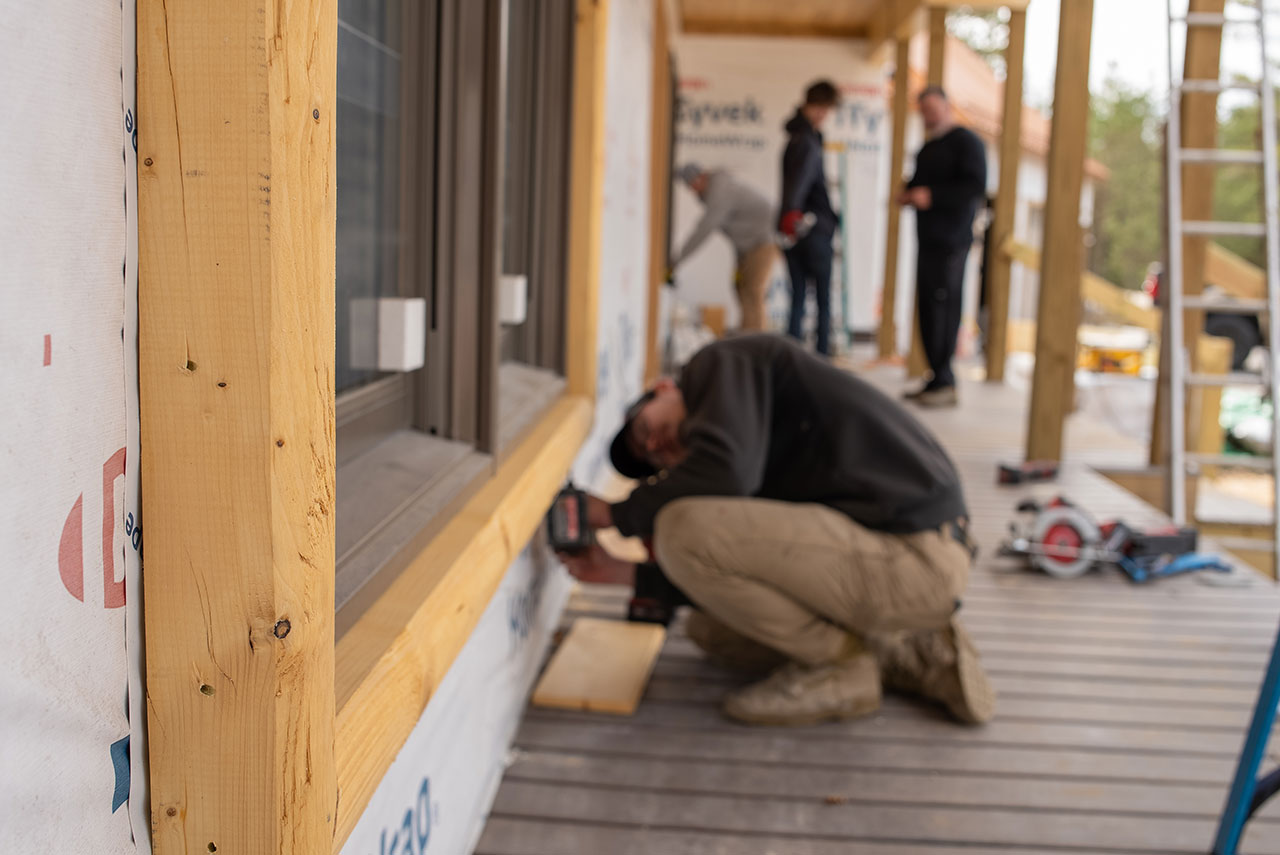
Many homeowners interpret finish issues as poor craftsmanship when the material itself is often the cause. With real wood paneling and siding, issues can develop over time as the material responds to changing conditions. Warping, cracking, joint movement, and finish inconsistencies may not appear right away, but contractors are still often the ones called back to address them.
Unfortunately, that usually means eating labor time to protect a reputation, even when the installation was done correctly from the start. In many cases, these issues only become visible later, once heat, humidity, and seasonal changes begin affecting the material after installation.
How Summer Heat Exposes Material Weakness
Summer conditions tend to reveal how stable a wood product really is. As temperatures rise and humidity levels fluctuate, wood naturally absorbs and releases moisture. In lower-quality or
improperly prepared materials, that response can show up through shifting joints, uneven finishes, surface instability, or sap bleed.
Heat does not create defects on its own. It exposes weaknesses that were already present in the material. There will always be some degree of movement with real wood. The difference comes down to moisture content, drying methods, and the natural stability of the species before it ever reaches the jobsite.
The Role of Kiln Drying in Long-Term Performance
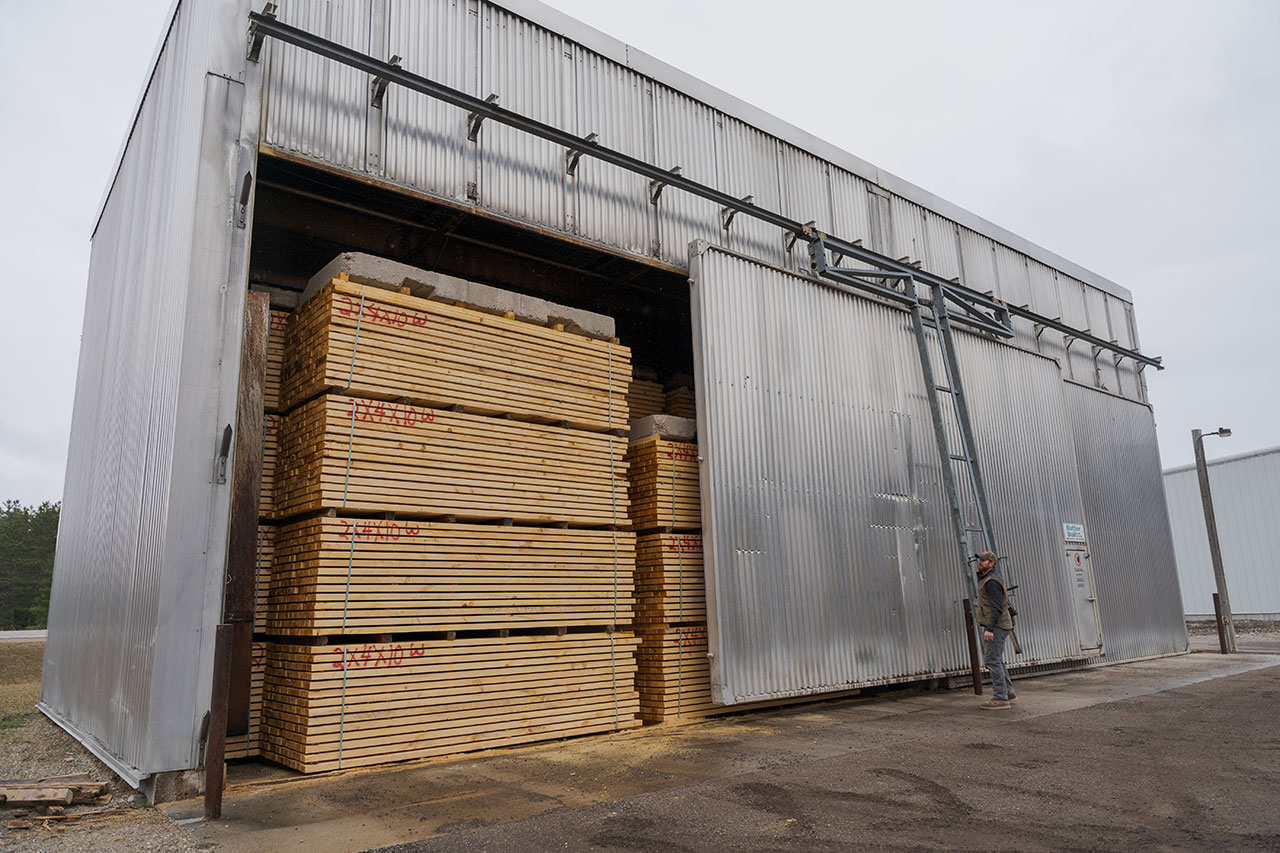
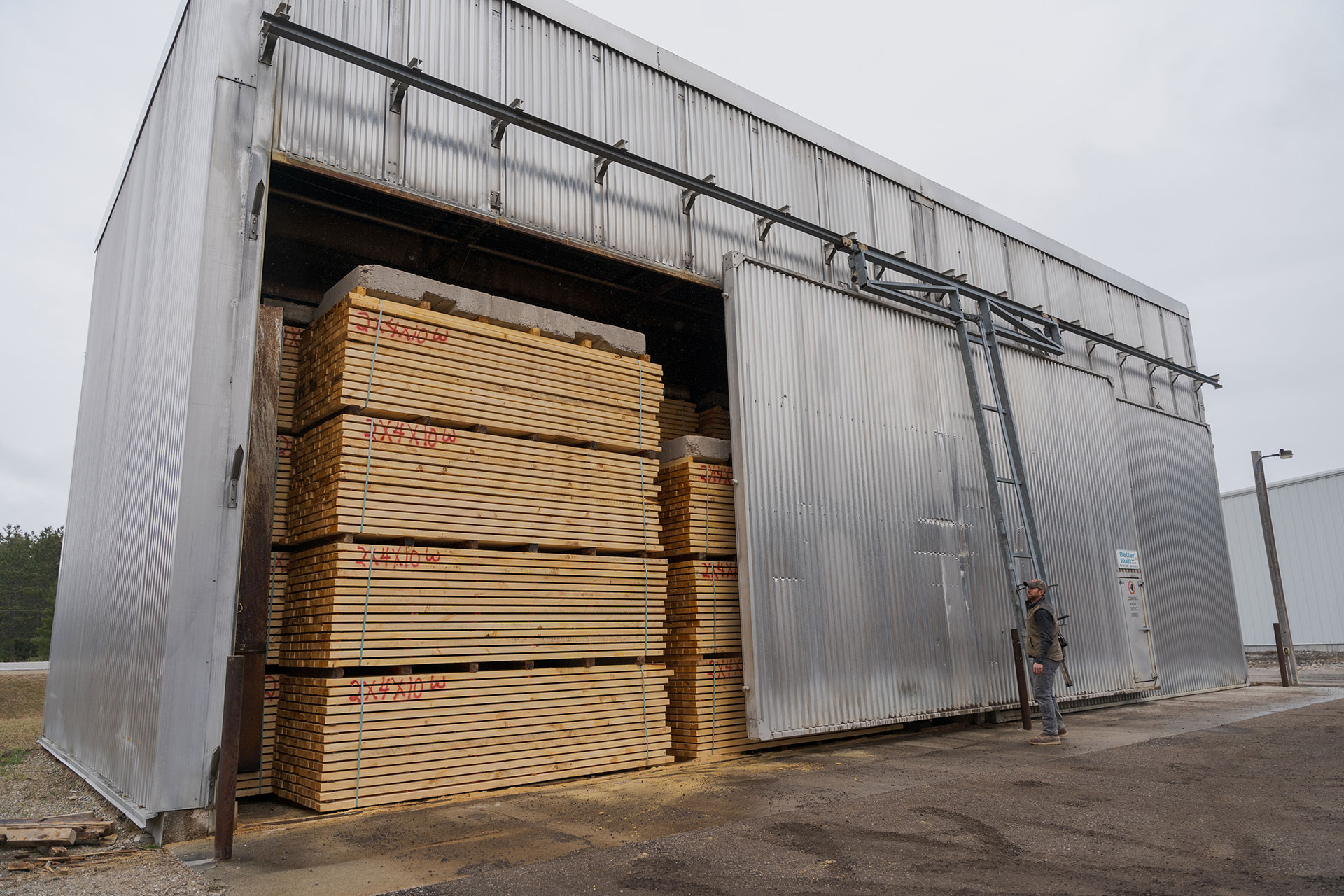
Because wood naturally absorbs and releases moisture, proper drying plays a critical role in long-term performance. Kiln drying reduces excess moisture within the wood, helping limit the amount of movement that can occur later as conditions change.
At WoodHaven, our wood is kiln-dried beyond standard industry practices to help create a more stable and predictable product for contractors. Taking additional time in the drying process helps reduce the risk of movement, finish inconsistencies, and installation challenges after the project is complete.
Why White Pine Siding Performs Better
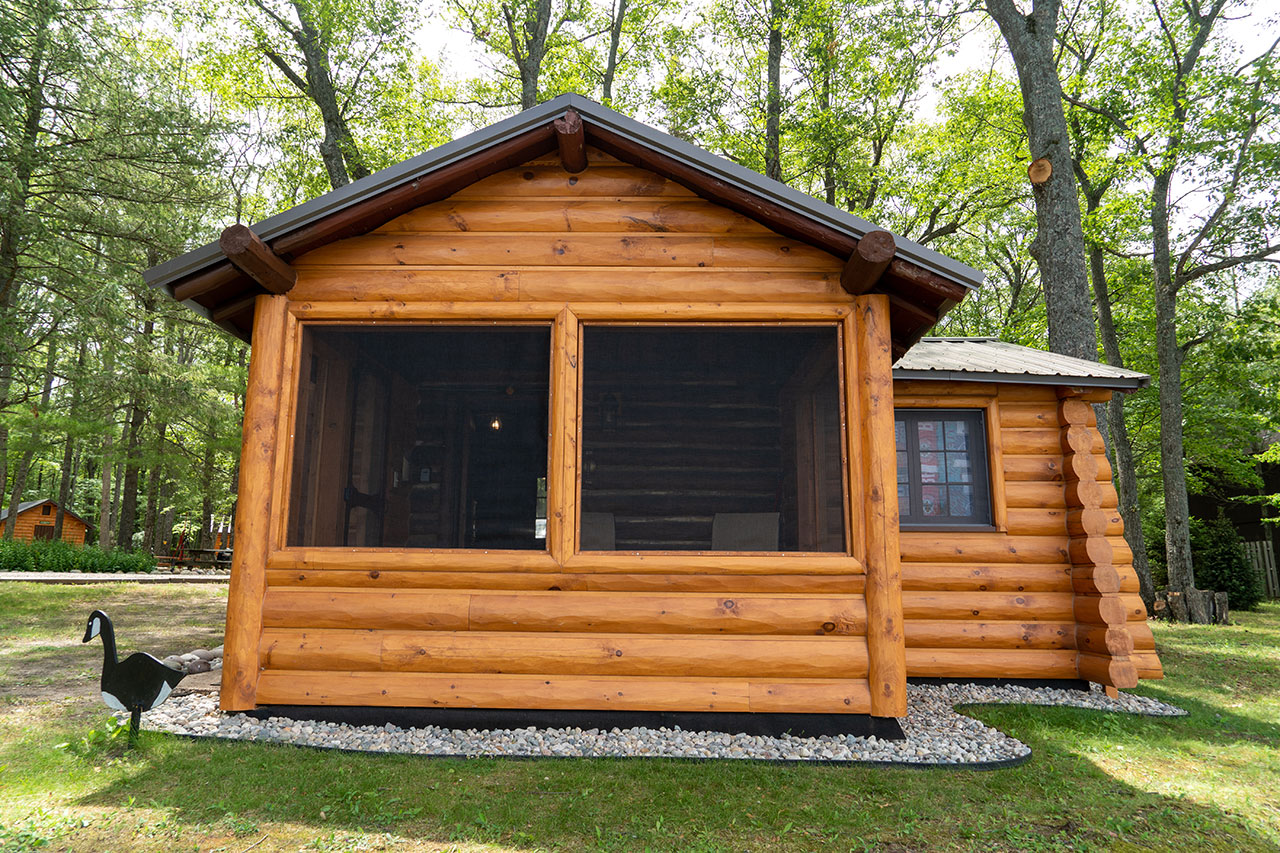
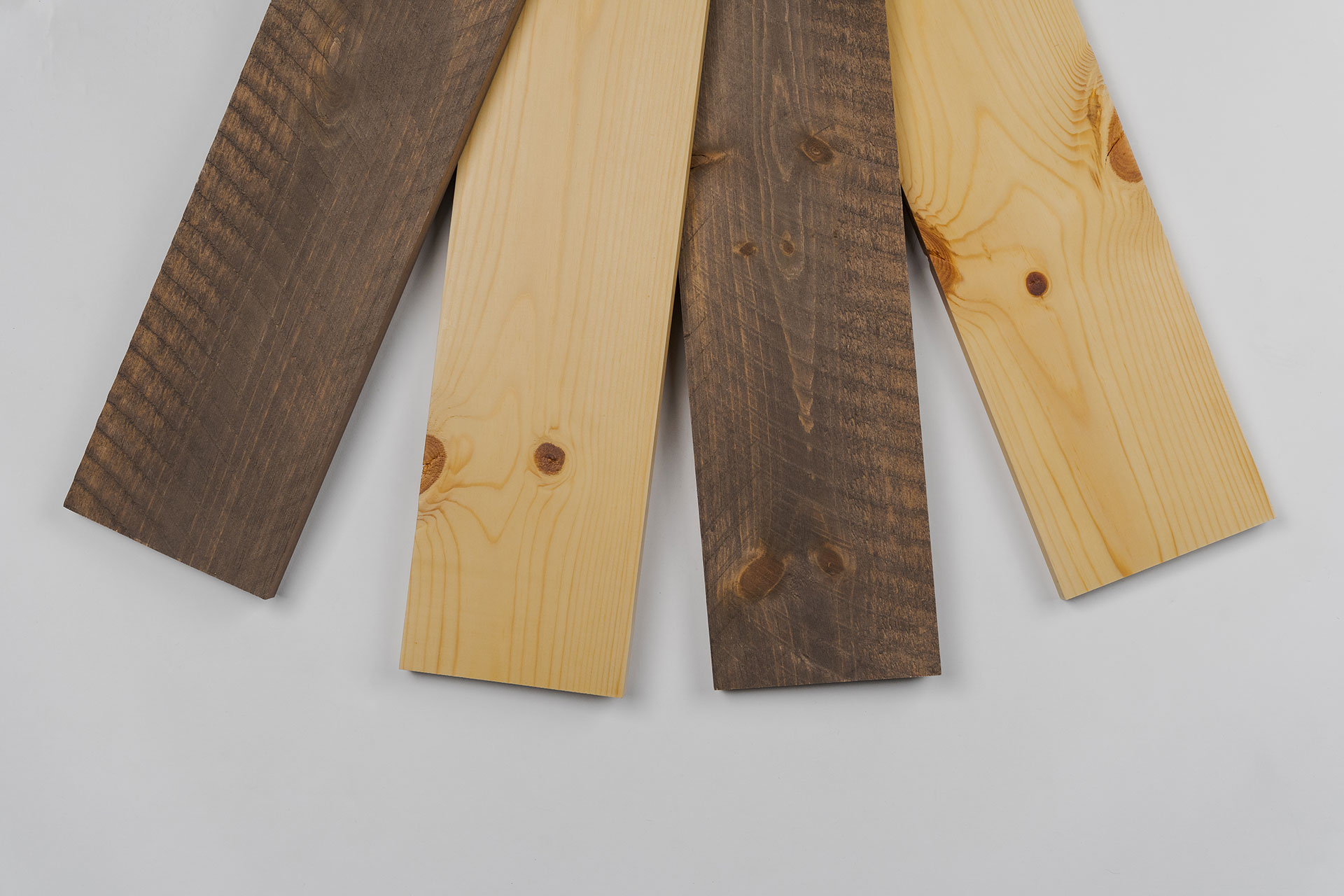
Species selection plays a major role in how siding performs long after installation. While red pine is often chosen for its traditional log home appearance, it can contain higher levels of sap and resin that become more noticeable over time, especially in warm summer conditions.
We specifically chose white pine for our siding products because of its natural stability and lower sap content. More stable wood helps boards stay straighter over time and reduces the risk of twisting, warping, and visible movement after installation.
Reduced sap bleed also helps prevent discoloration from showing through paint or stain over time. When sap begins bleeding through knots, it can create uneven finishes, visible spotting, and touch-up work that is difficult to blend seamlessly with surrounding areas.
For contractors, that means cleaner finishes, more predictable results, and fewer callbacks tied to appearance issues after the job is complete. When finish quality matters, the material underneath it matters just as much. Even the best craftsmanship can only perform as well as the material beneath it.
Real Wood Siding Built for Longevity
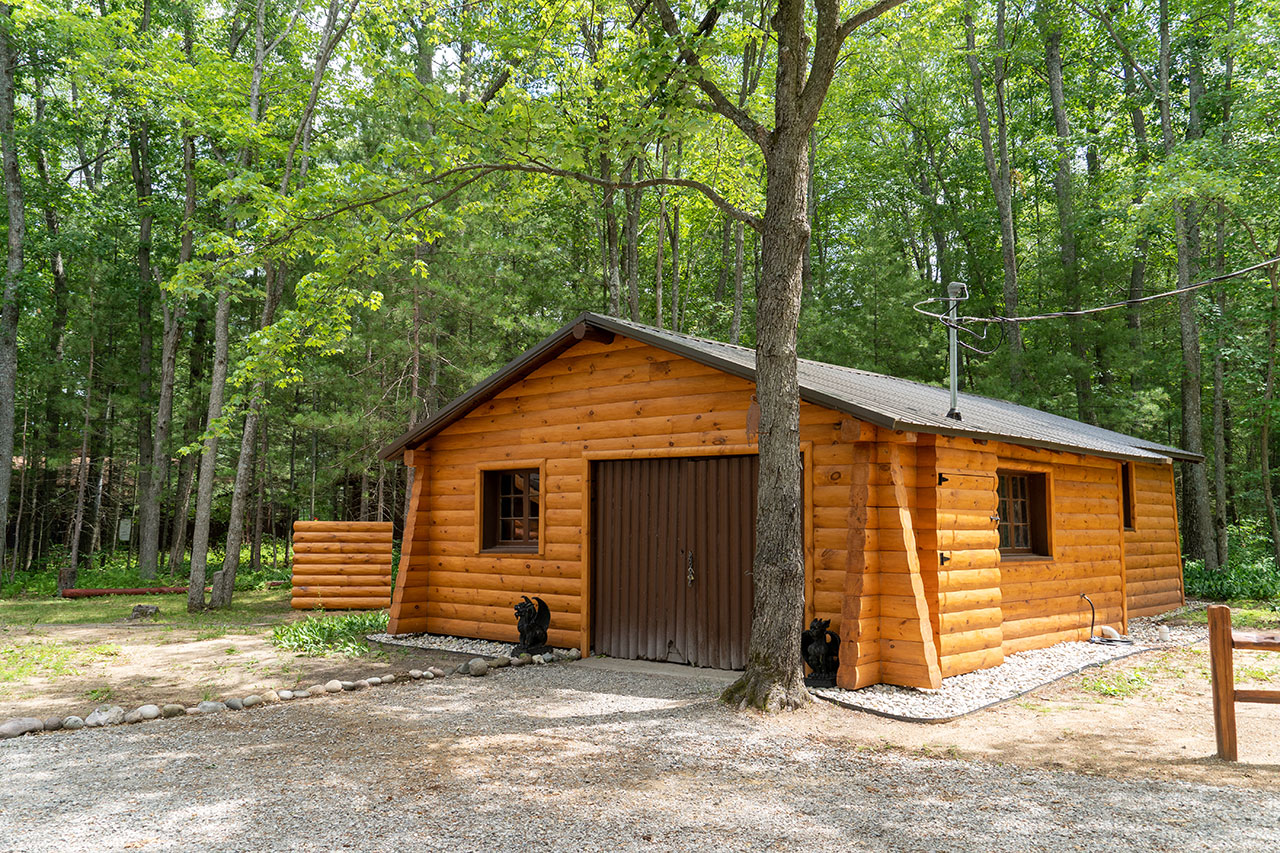
Finish quality does not stop at installation. It continues long after the last board is set and the jobsite is cleaned up.
For contractors, the real challenge is not just building something that looks good on day one, but choosing materials that continue to perform as conditions change. Heat, humidity, and seasonal shifts will always reveal how stable a product really is.
When the material is consistent, properly prepared, and suited for the application, it removes a layer of uncertainty from the job. Fewer surprises show up later, and fewer callbacks follow.
Need more information?
We’ve got you covered!
You know the log cabin style is the look for you. Now find out how you can bring it to your home!
Contact us for a free estimate or for any additional questions.