A homeowner can tell you they want the look of a log home.
That still leaves a pretty important question.
How much log do they want to see?
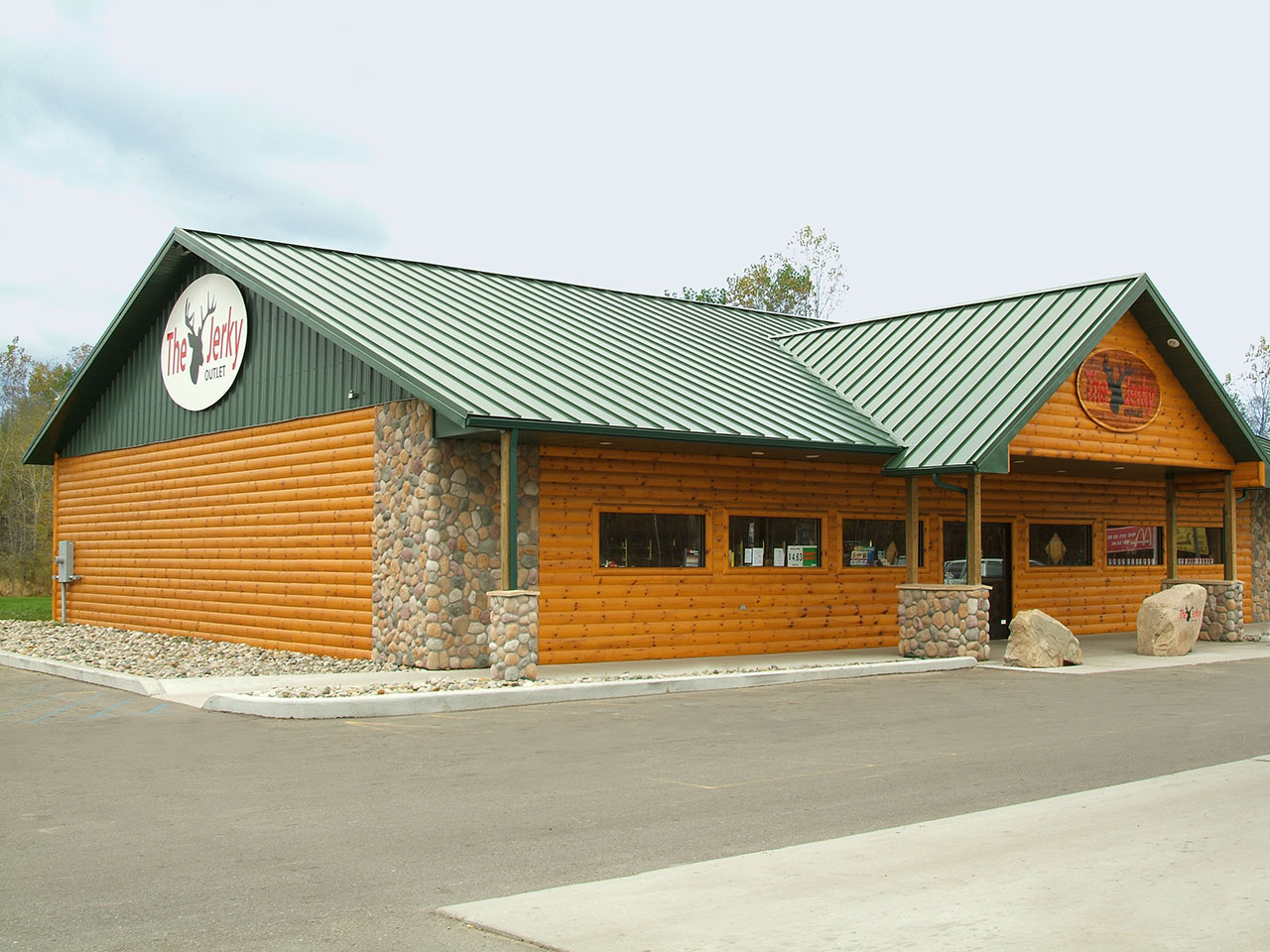
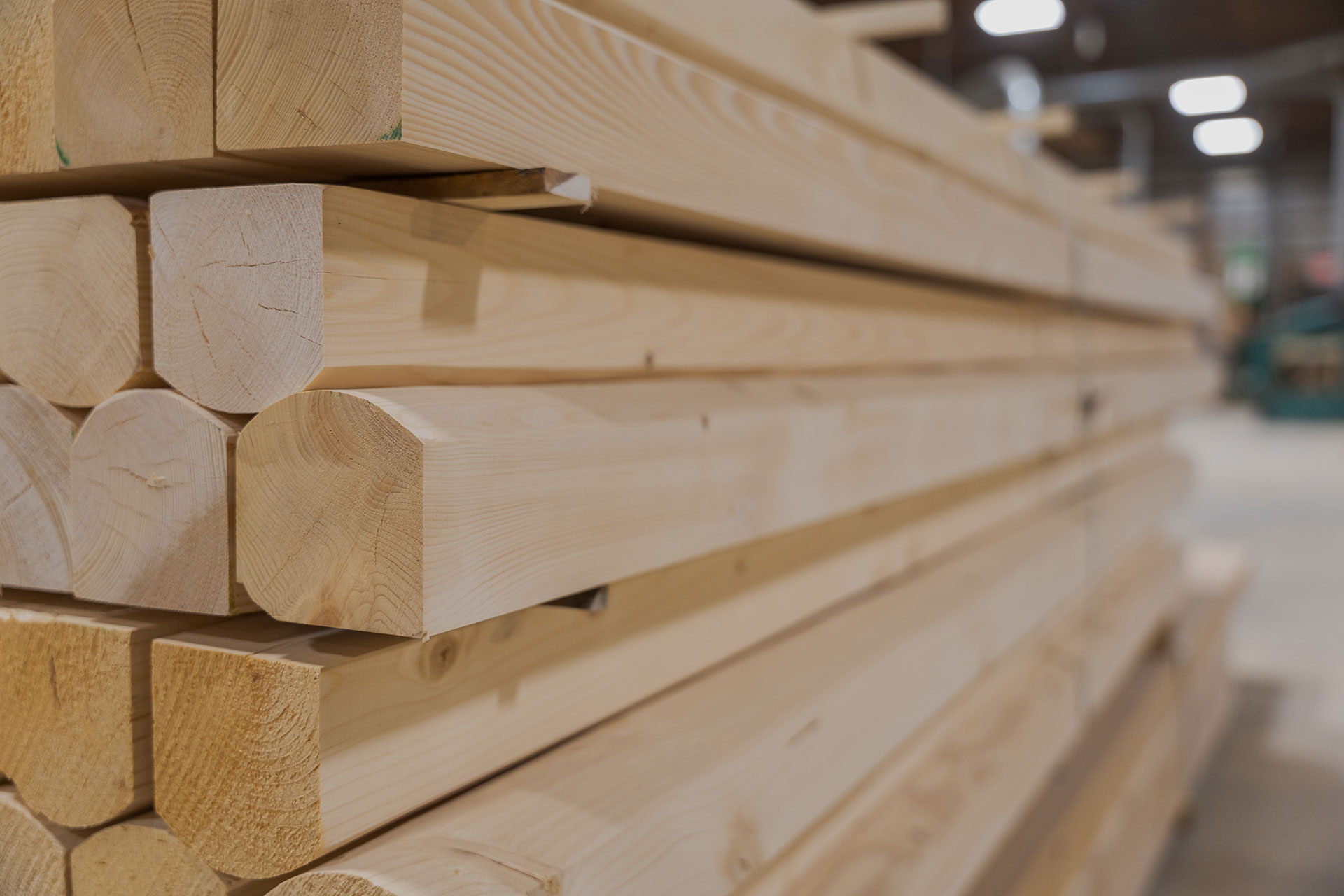
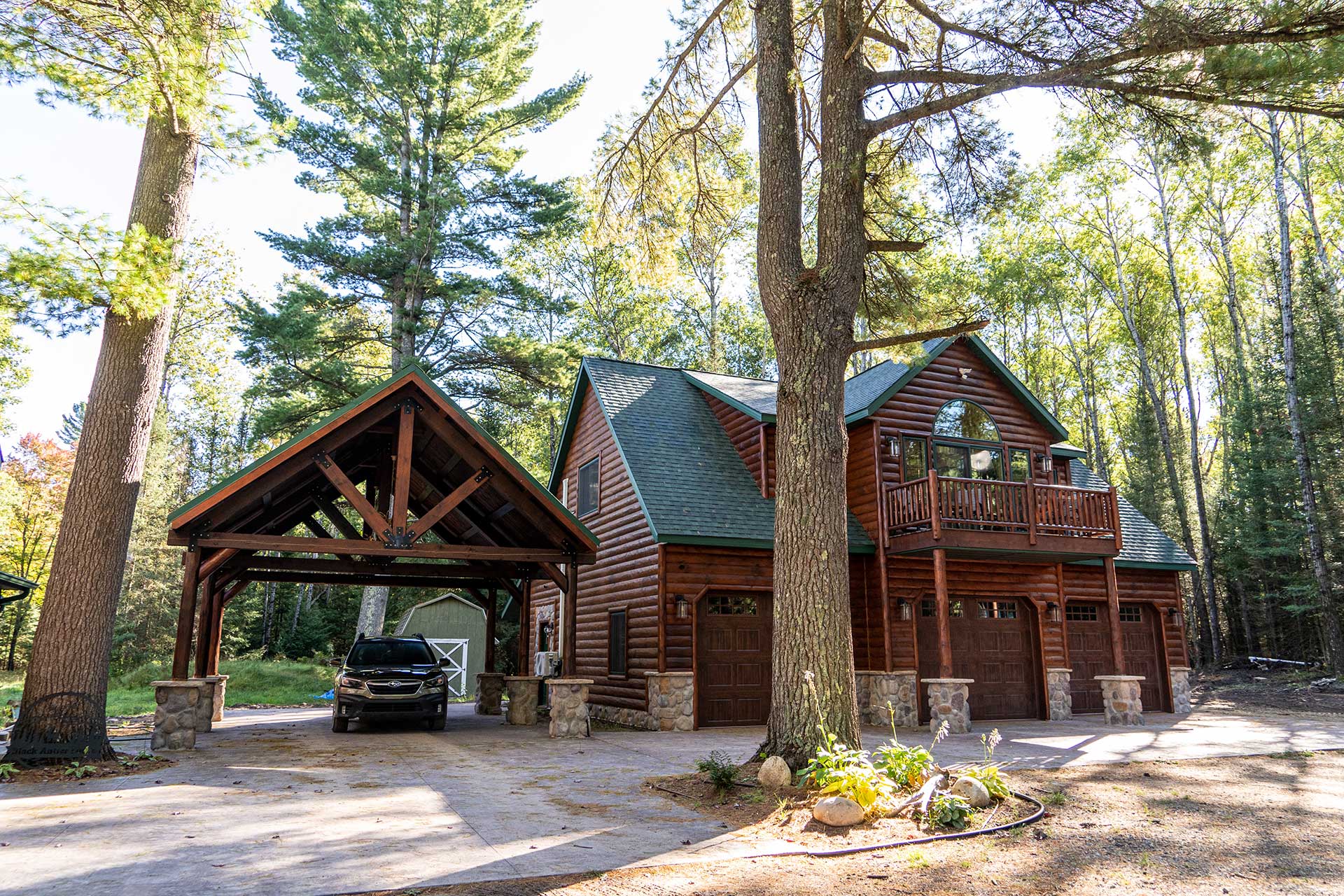
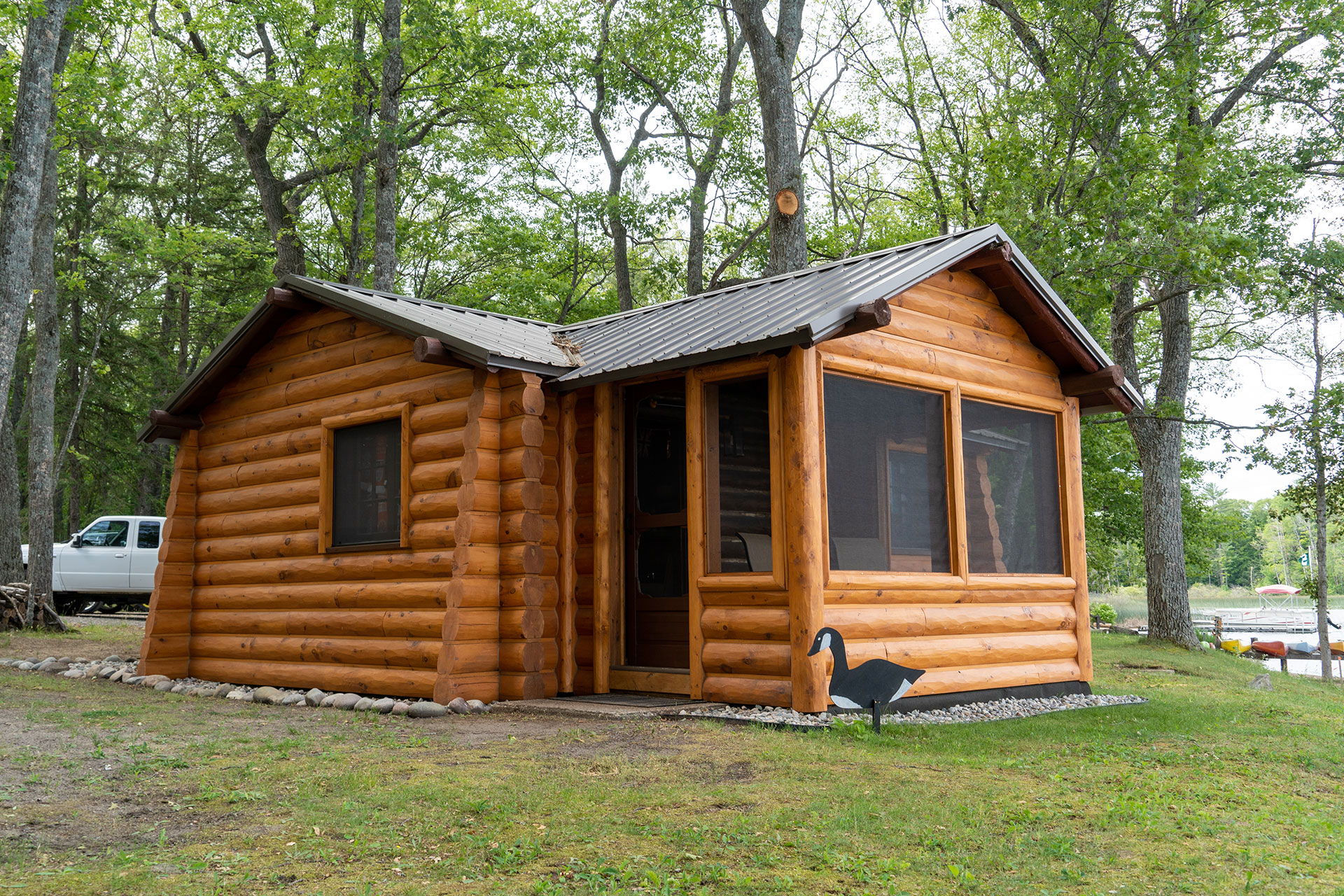
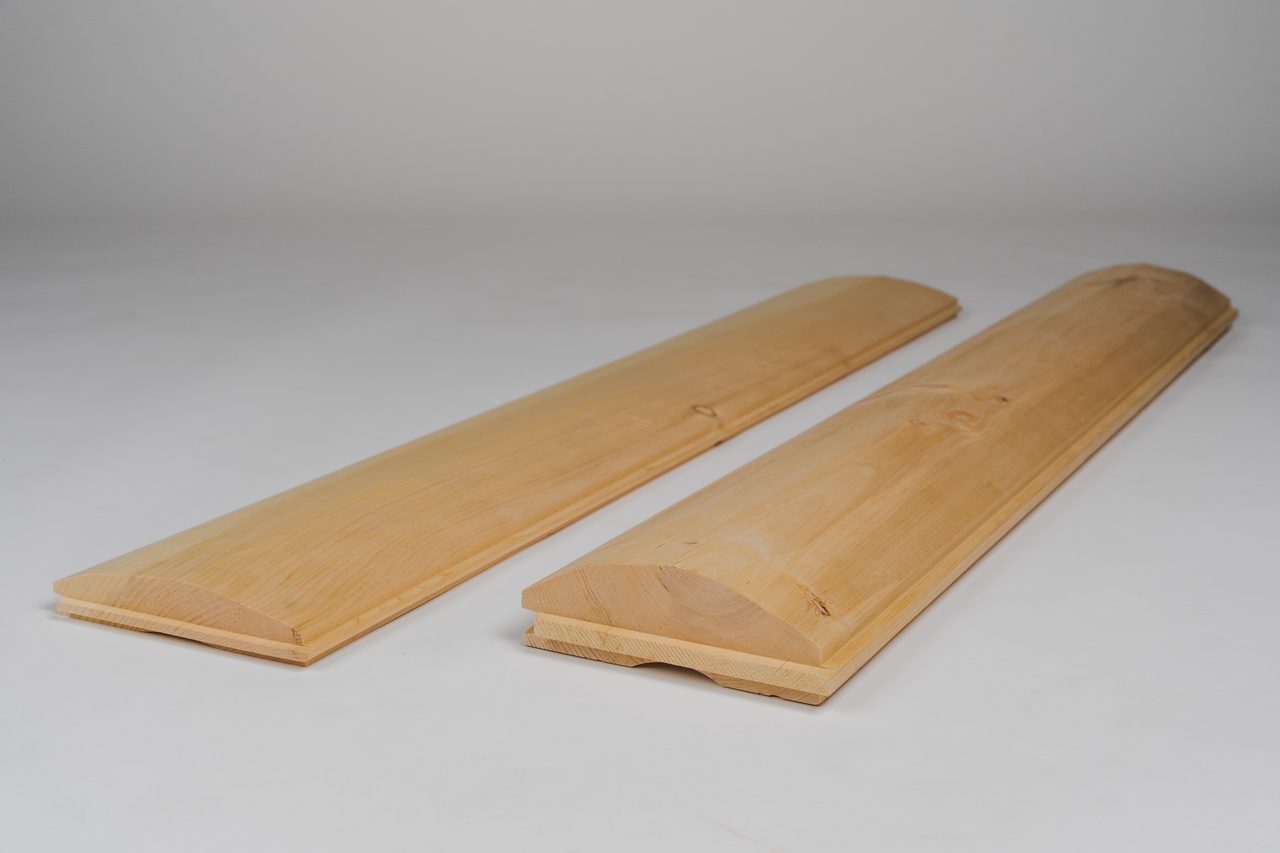
The siding profile changes the depth, shadow lines, scale, and overall character of the finished exterior. WoodHaven offers Quarter Log, Half Log, and FatBoy siding, giving contractors several ways to create a real wood log appearance without building with full structural logs.
Choosing the right one starts with the house and the look the homeowner is trying to achieve.
Quarter Log: A More Subtle Log Profile
Quarter Log is a good place to start when the homeowner wants real wood and visible log character without the heavier scale of a larger profile.
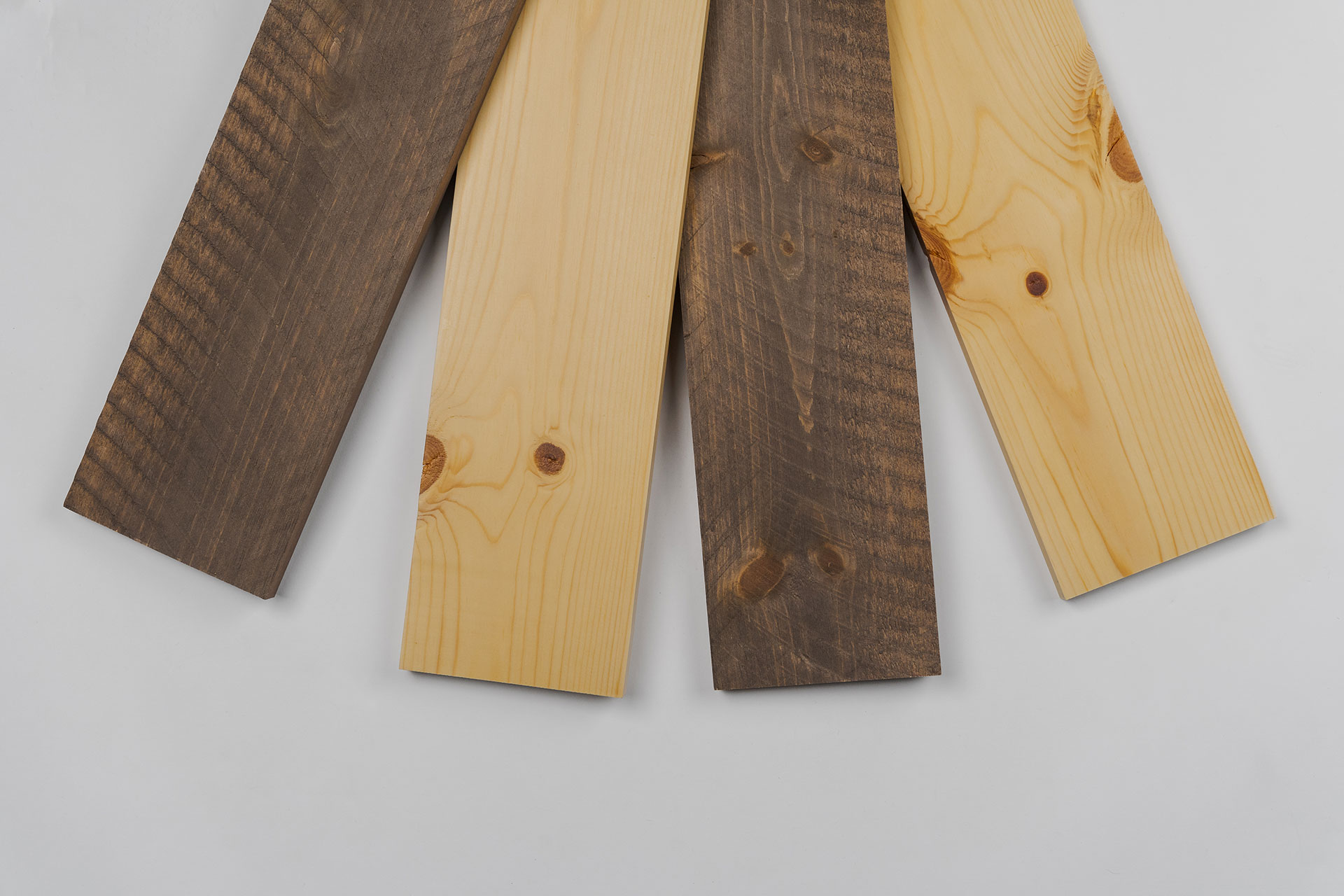
WoodHaven offers Quarter Log siding in multiple sizes, species, and surface styles.
The smaller profile can work especially well on homes with a lot of windows, doors, or architectural details where a larger log profile might compete with the rest of the elevation.
It can also appeal to homeowners who want the warmth of a log exterior while keeping the overall appearance a little more restrained.
Browse WoodHaven’s Exterior Products to see the available log siding options.
Half Log: More Depth and a Stronger Log Look
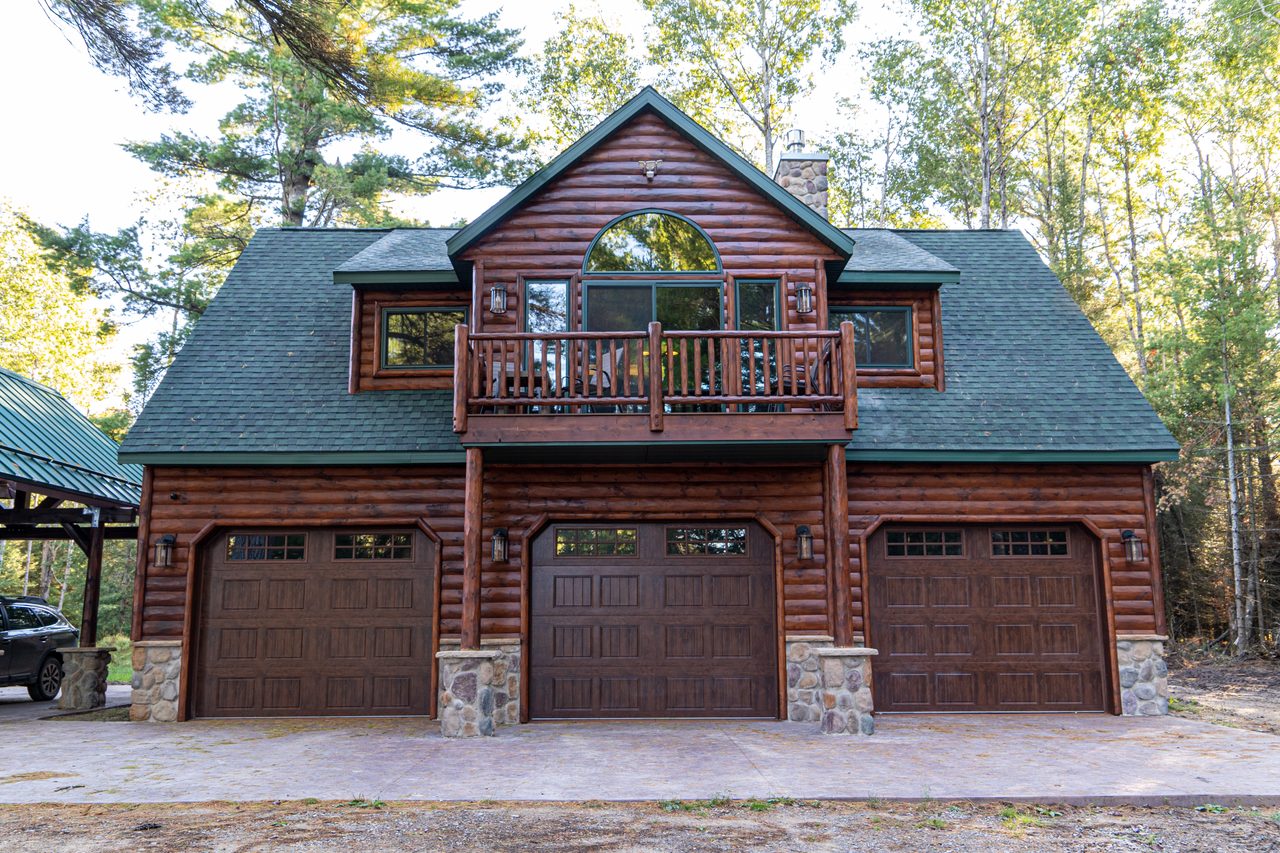
Half Log increases the visual weight.
The deeper profile creates stronger shadow lines and a more substantial log-home appearance across the wall.
That can work particularly well on larger homes, cabins, lodges, additions, or elevations with broad gables where a smaller profile might feel undersized.
The siding also affects how the details around it read.
Corners, window trim, posts, railings, and other exterior elements need enough visual weight to feel like they belong with the larger profile. WoodHaven’s Exterior Product selection gives contractors the ability to think about those pieces as part of the same package.
FatBoy: When the Logs Need to Show Up
Sometimes subtle is not what the homeowner wants.
WoodHaven’s FatBoy Log Siding is designed for projects where a much larger log presence makes sense.
The larger profile can fit well on tall elevations, oversized gables, lodges, and substantial homes where the scale of the structure can carry it.
FatBoy is also a custom-order product, which makes timing part of the conversation.
If the homeowner is leaning toward a larger custom profile, that decision should be made early enough to account for lead time before the project schedule is set.
Compare the Profile to the House
A sample tells you what the wood looks and feels like.
The elevation tells you what the profile needs to do.
A smaller Quarter Log profile and a larger FatBoy profile can both look good in your hand, but they create very different proportions once they cover an entire wall.
Look at the height of the structure. Look at the width of the gables. Consider how many windows and doors interrupt the siding. Think about how large the trim and corners need to feel next to the profile.
More profile is not automatically better.
The right scale is the one that works with the house.
Put Real Samples in Front of the Homeowner
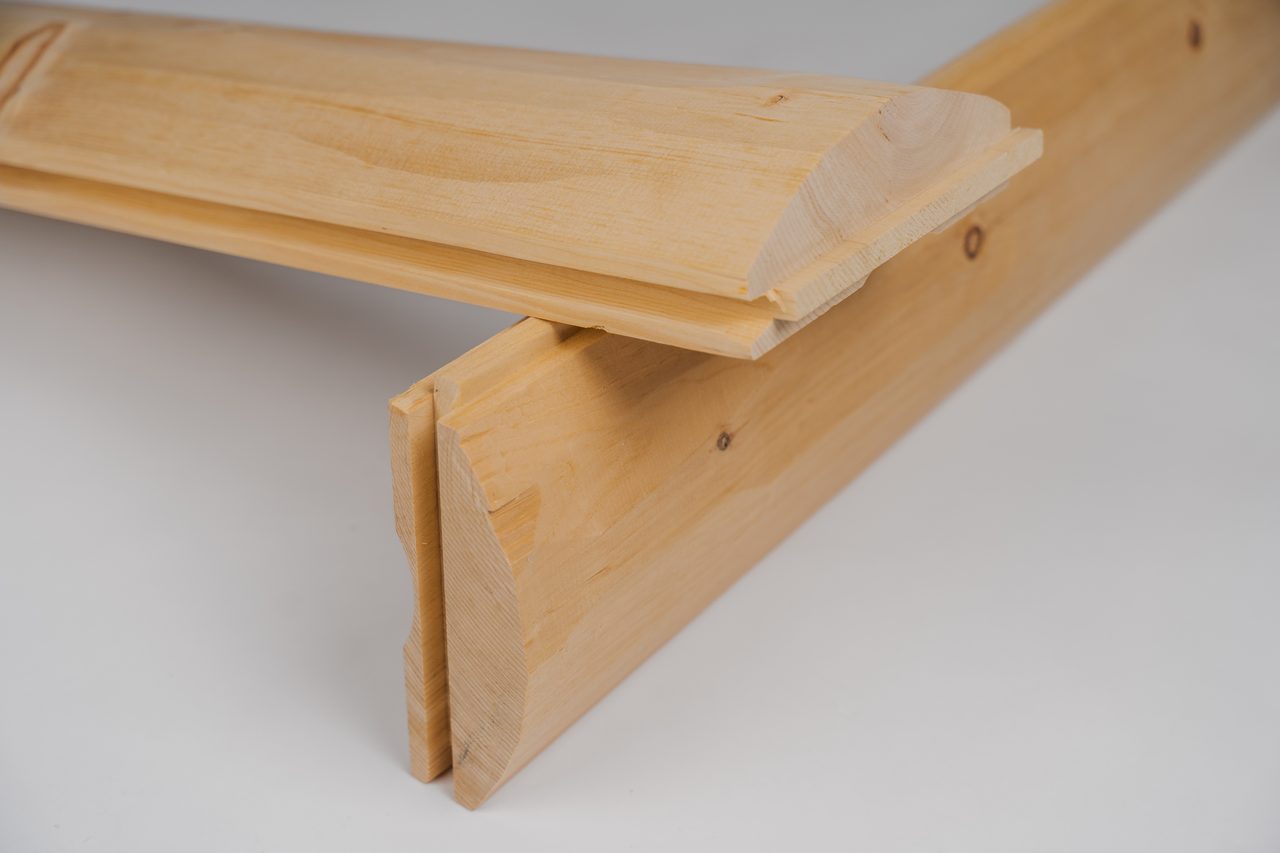
Profile selection is one of those decisions that is much easier when the homeowner can actually see and hold the material.
WoodHaven’s Sample Kit includes several Quarter Log and Half Log profiles along with D trim and other WoodHaven products.
Instead of trying to explain depth and scale from a screen, contractors can put the profiles side by side and let the homeowner see the difference.
Once the profile is settled, the Product Cost Estimator can help move the project toward pricing.
WoodHaven’s Contractor Resources are also available for help with profile selection, quantities, timing, and project details.
The question is not which log siding profile is best.
It is which one looks right on this house.
Need more information?
We’ve got you covered!
You know the log cabin style is the look for you. Now find out how you can bring it to your home!
Contact us for a free estimate or for any additional questions.