Most warranty calls are not about something failing. They are about something changing.
A homeowner notices a seam that looks slightly different than it did at install. A joint that once sat tight now shows a small gap. Sometimes it is minor checking. Other times, it is a board that appears to have shifted slightly. The work was completed correctly, but the finished look is not exactly what they remember from day one.
At that point, the question becomes simple.
What happened?
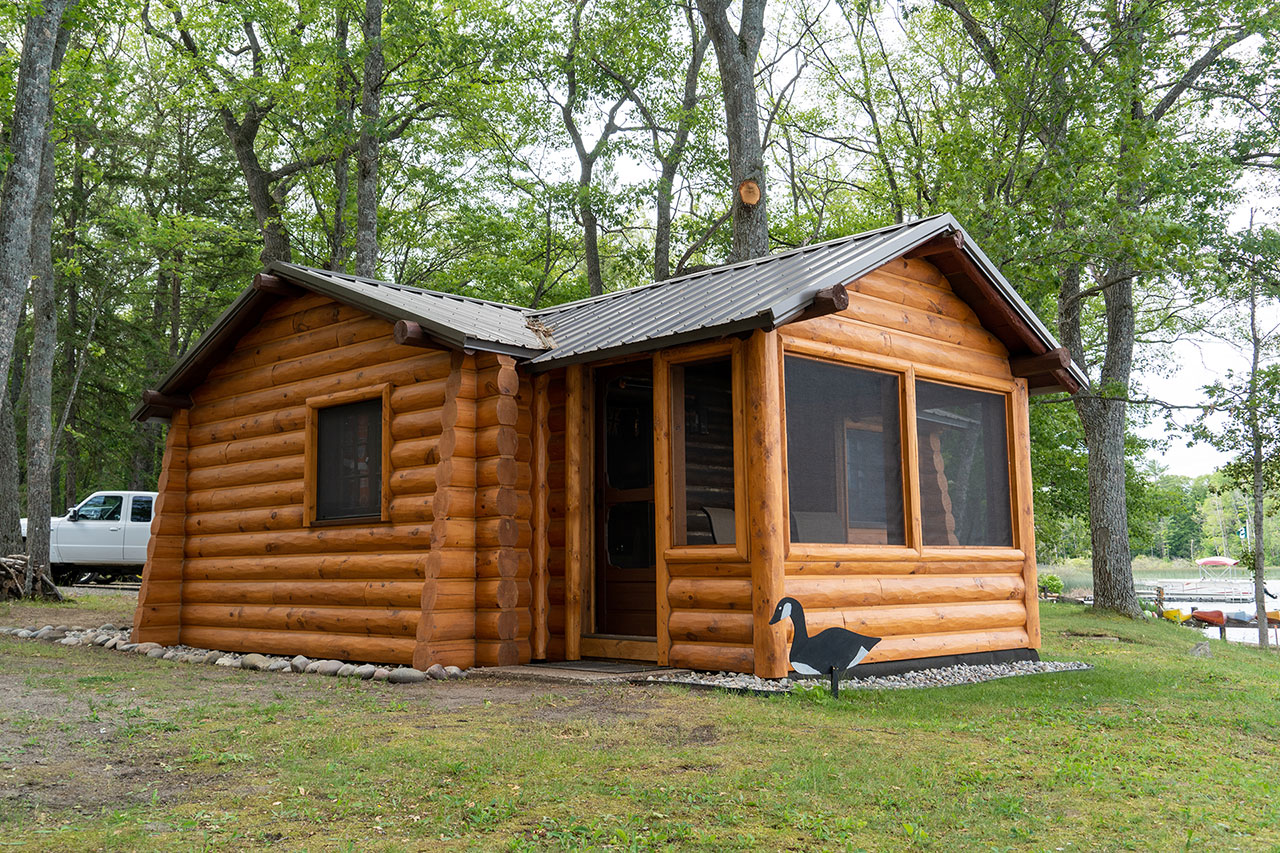
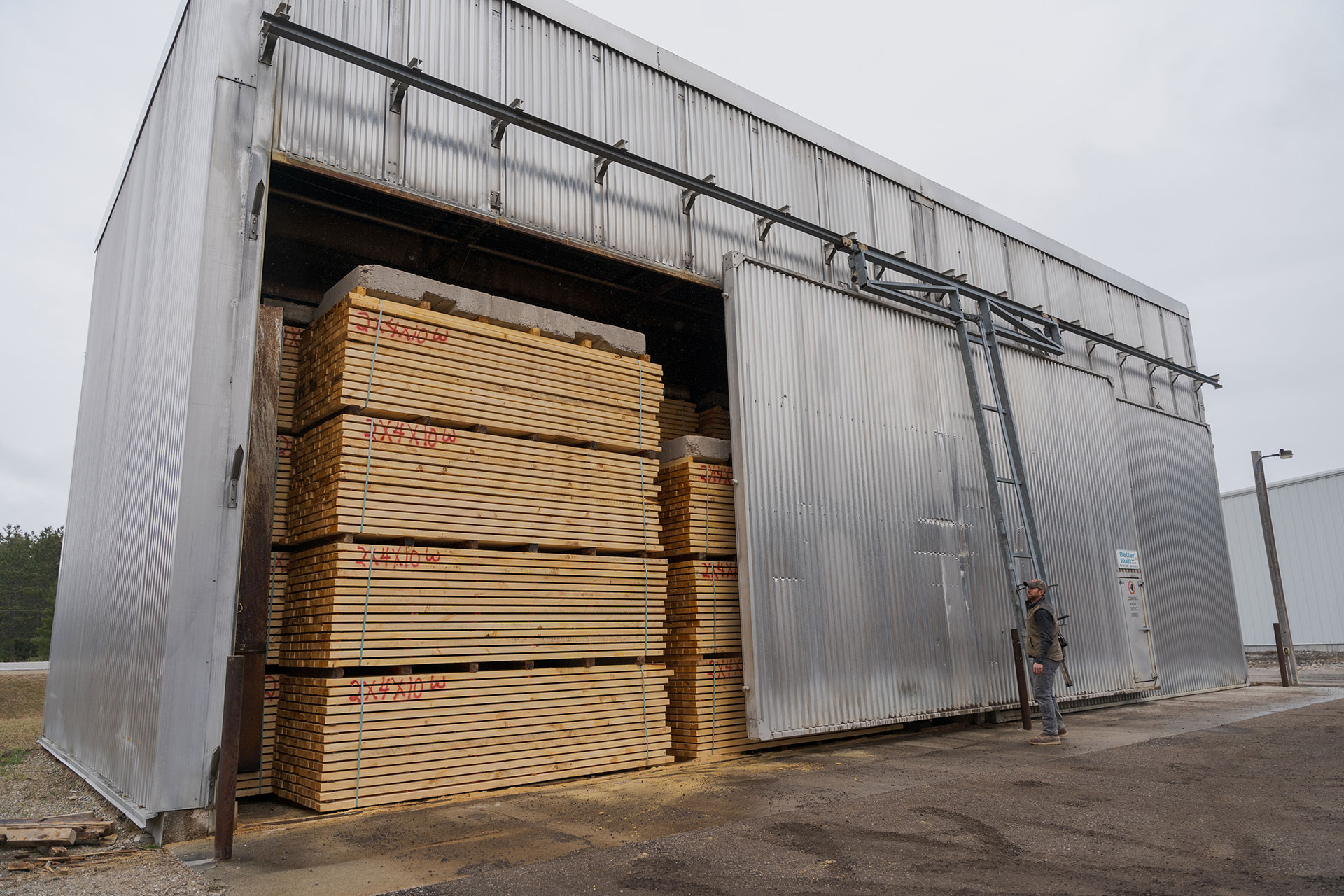
Many of these calls are not tied to installation at all. They are tied to what happens after the crew leaves and the home begins living through seasonal cycles. Exterior wood responds to humidity, temperature swings, and precipitation. If boards were not dried thoroughly before arriving on site, they can continue adjusting once they are on the wall.
That adjustment may show up as expansion, contraction, or subtle movement at seams. Homeowners do not measure moisture content, but they notice when alignment changes. When they see that change, installation is usually the first thing they question. Even when the work was done properly, visible changes can create doubt about workmanship.
Reducing warranty calls starts with reducing the likelihood of post install movement.
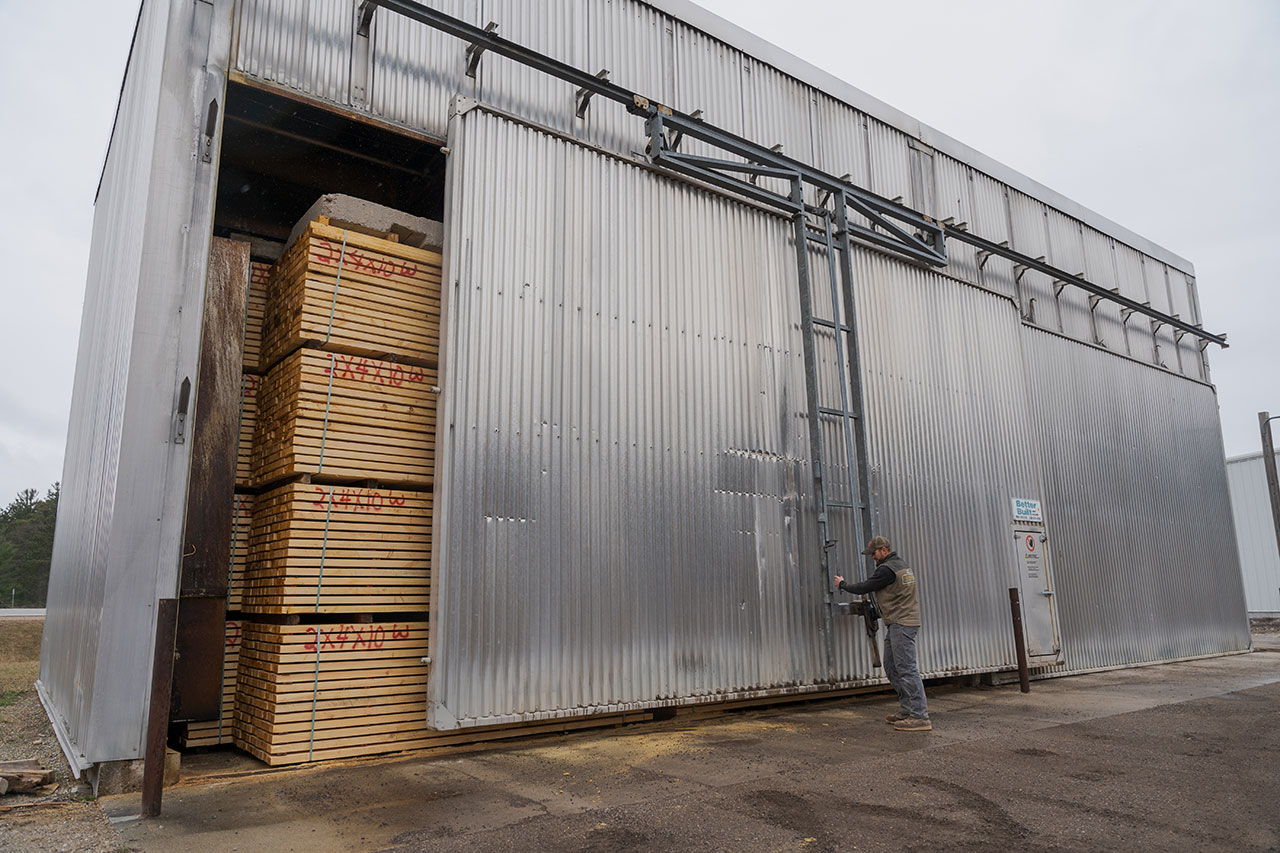
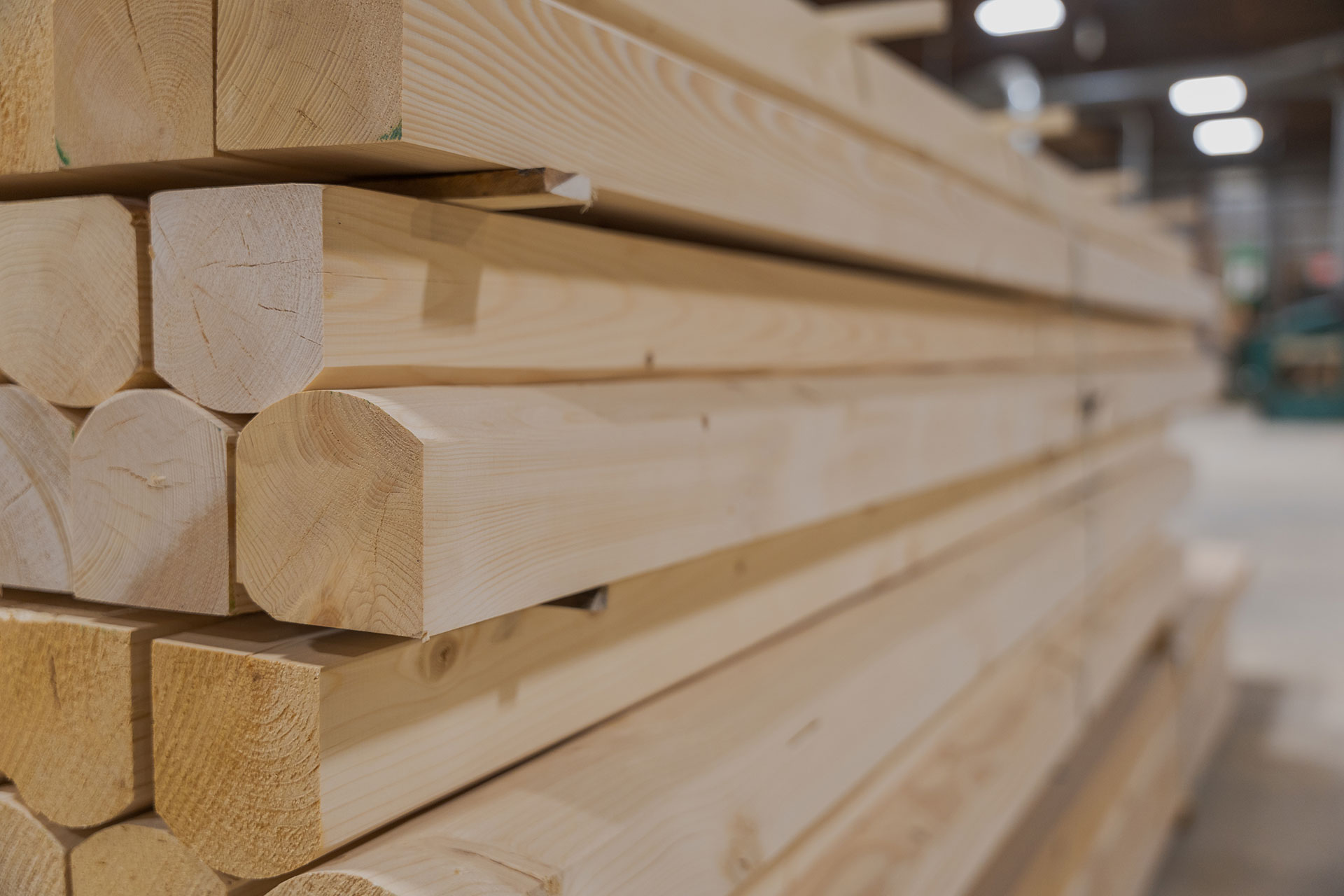
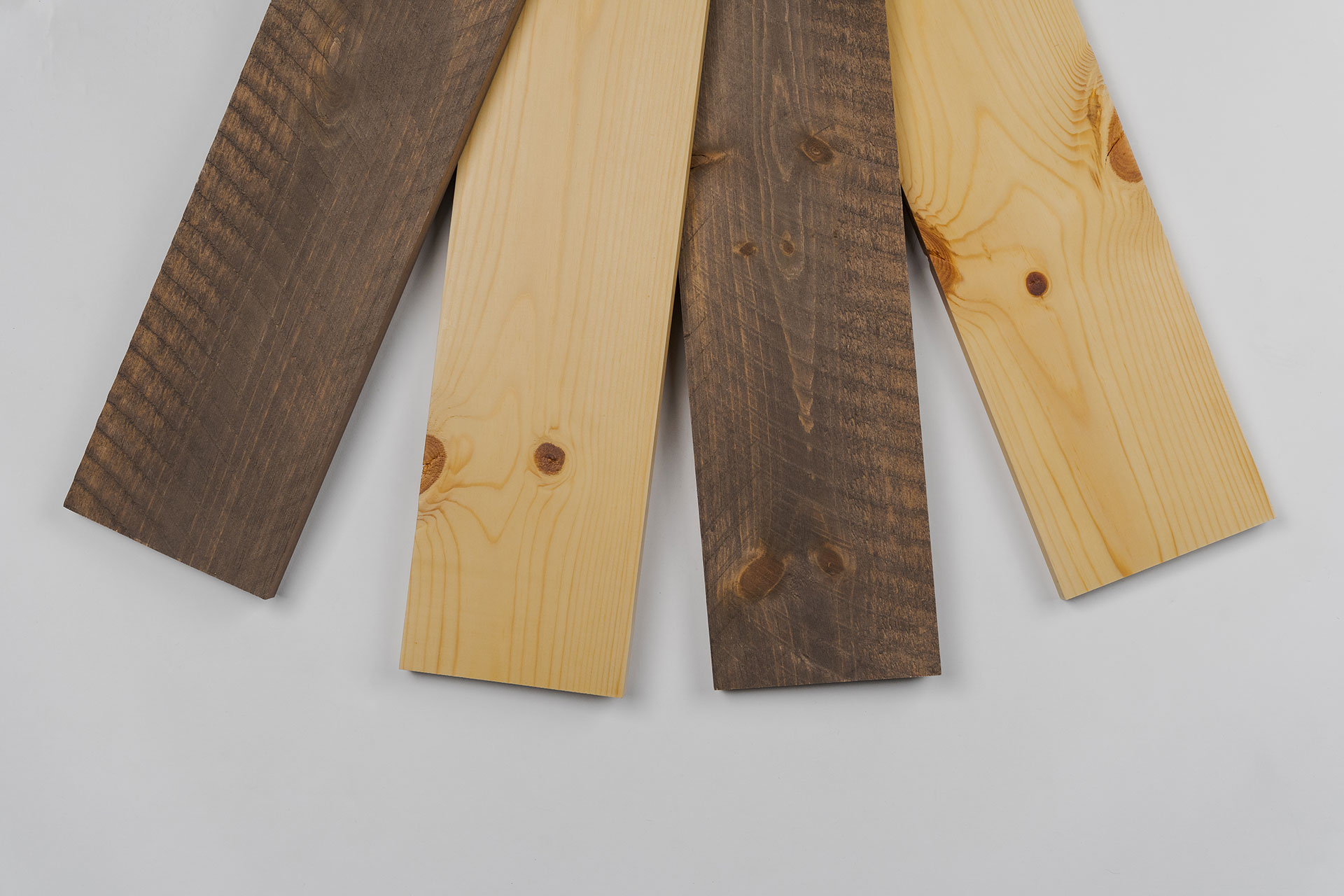
Boards that are properly kiln dried and held to tighter quality standards tend to remain more stable over time. Straighter, more consistent boards behave more predictably as conditions change. That stability helps preserve the finished appearance of the wall long after the job is complete and reduces the chances of noticeable gaps or misalignment developing later.
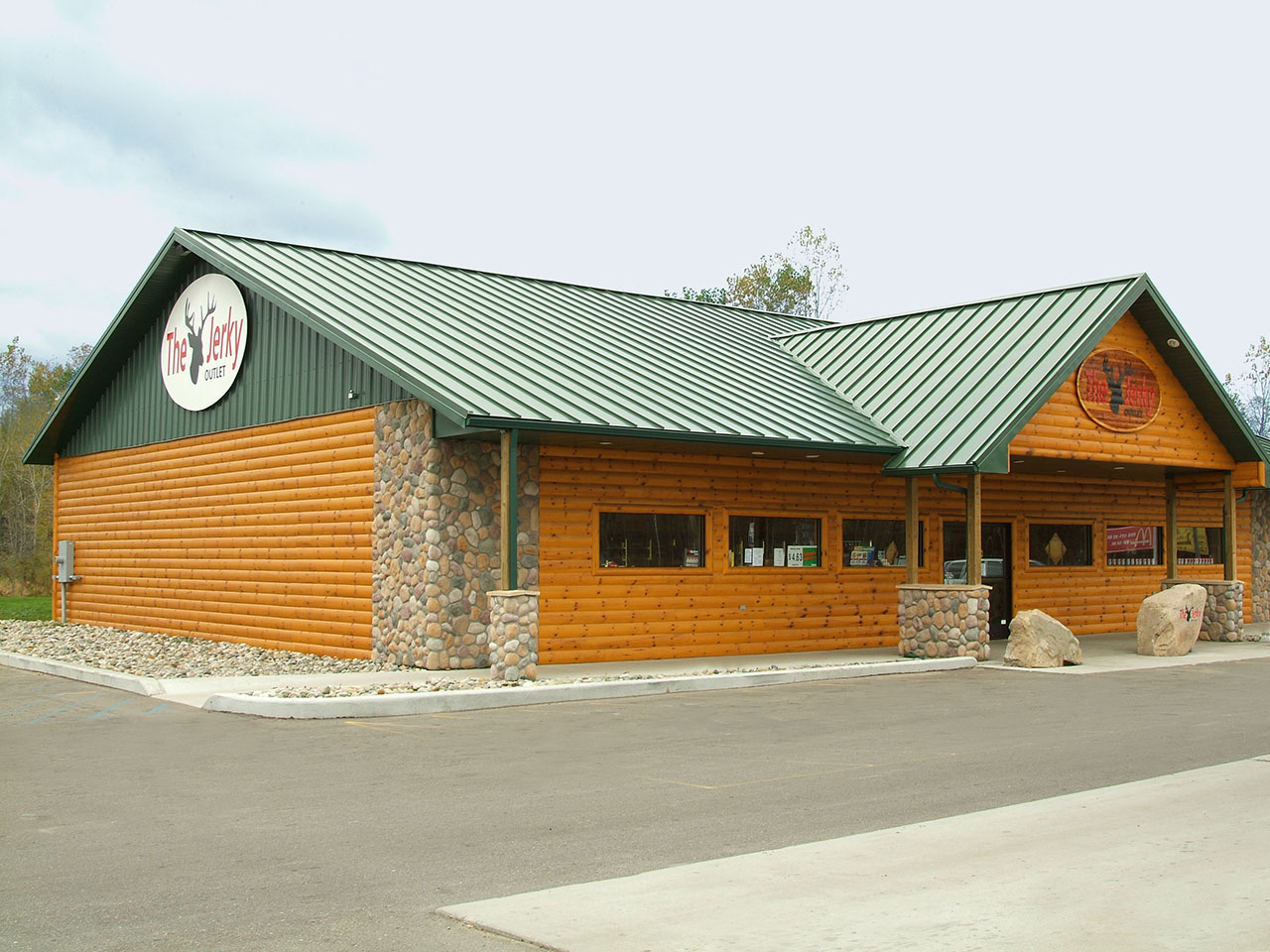
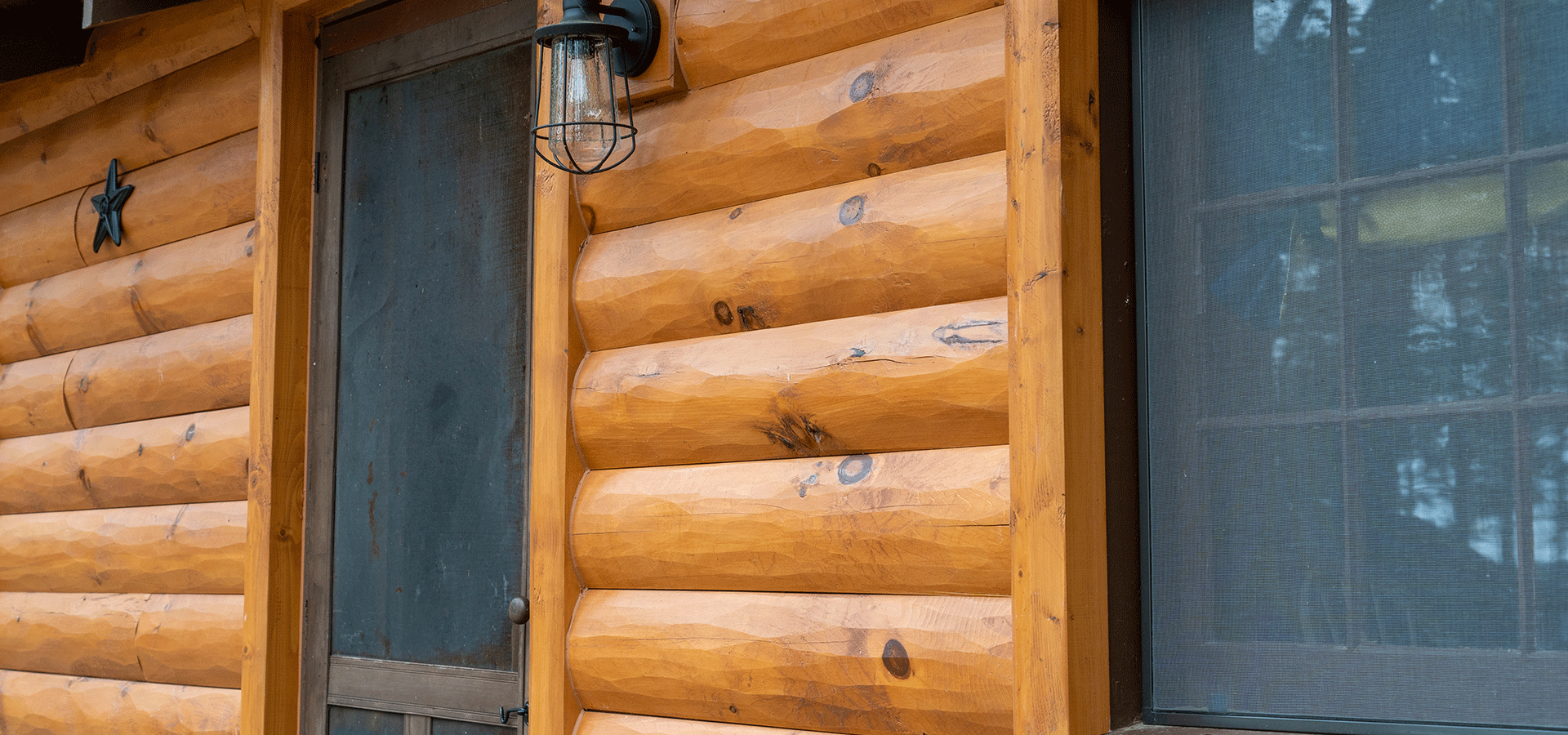
Installation systems also make a difference. Tongue and groove profiles help create tighter seams from the start, and end matching allows boards to lock together at more points along the wall. This reduces unnecessary cutting and helps maintain alignment across longer runs. A cleaner install typically leaves fewer weak points where visible separation might occur later.
Contractors can further reduce unnecessary callbacks by setting expectations early. Homeowners who understand that real wood has natural variation are far less likely to assume something went wrong when minor changes appear. Taking time to explain what authentic wood does, and what it does not do, can prevent small visual changes from turning into warranty concerns.
Clear documentation can also help. Photos taken at key stages of installation provide a useful reference point if questions come up later. Having that visual record allows you to respond confidently if a homeowner reaches out months down the road.
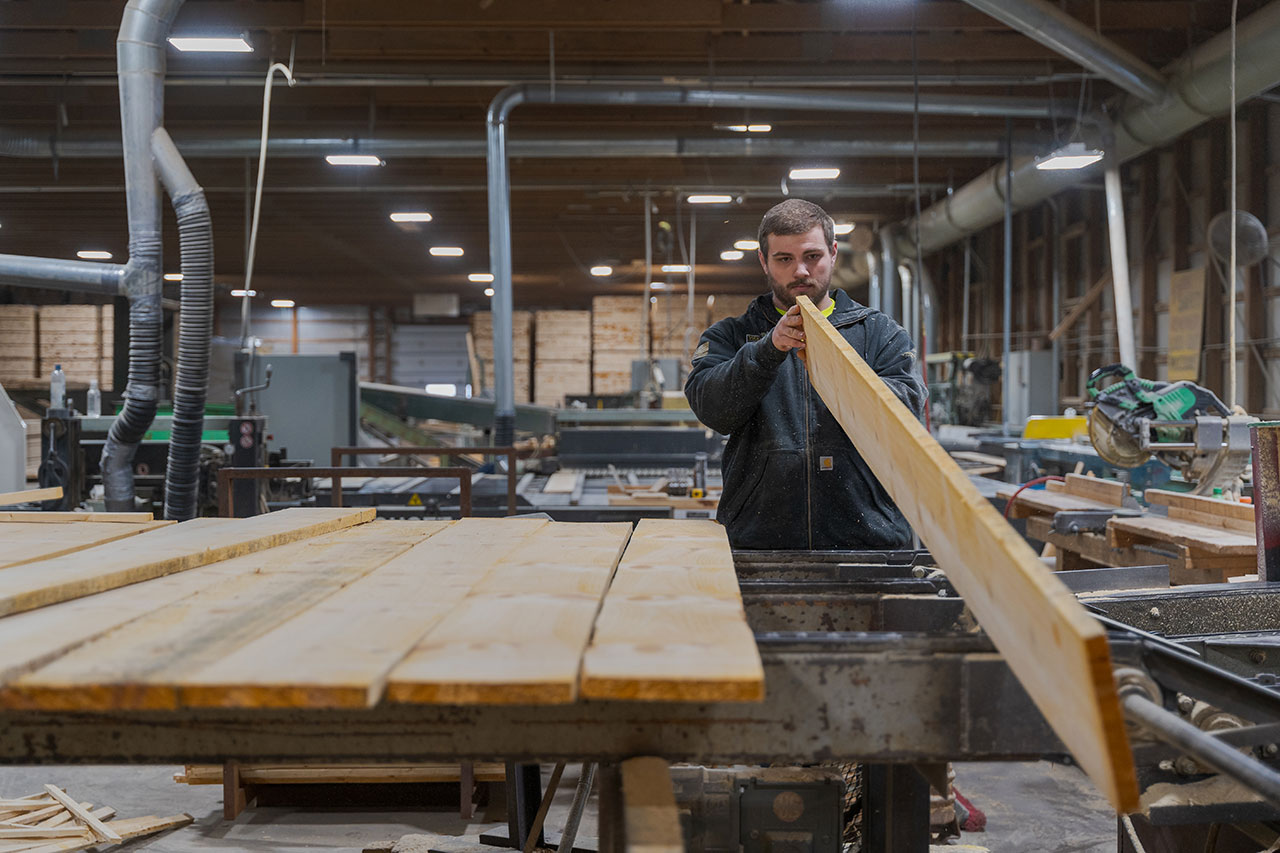
Stable material helps the wall stay true.
Clear communication helps the client stay confident.
When both are in place, the project is far more likely to look right months and seasons later. That means fewer return trips, fewer scheduling disruptions, and fewer calls asking you to explain something you did not cause. In the long run, preventing unnecessary warranty visits protects both your time and your reputation.
Need more information?
We’ve got you covered!
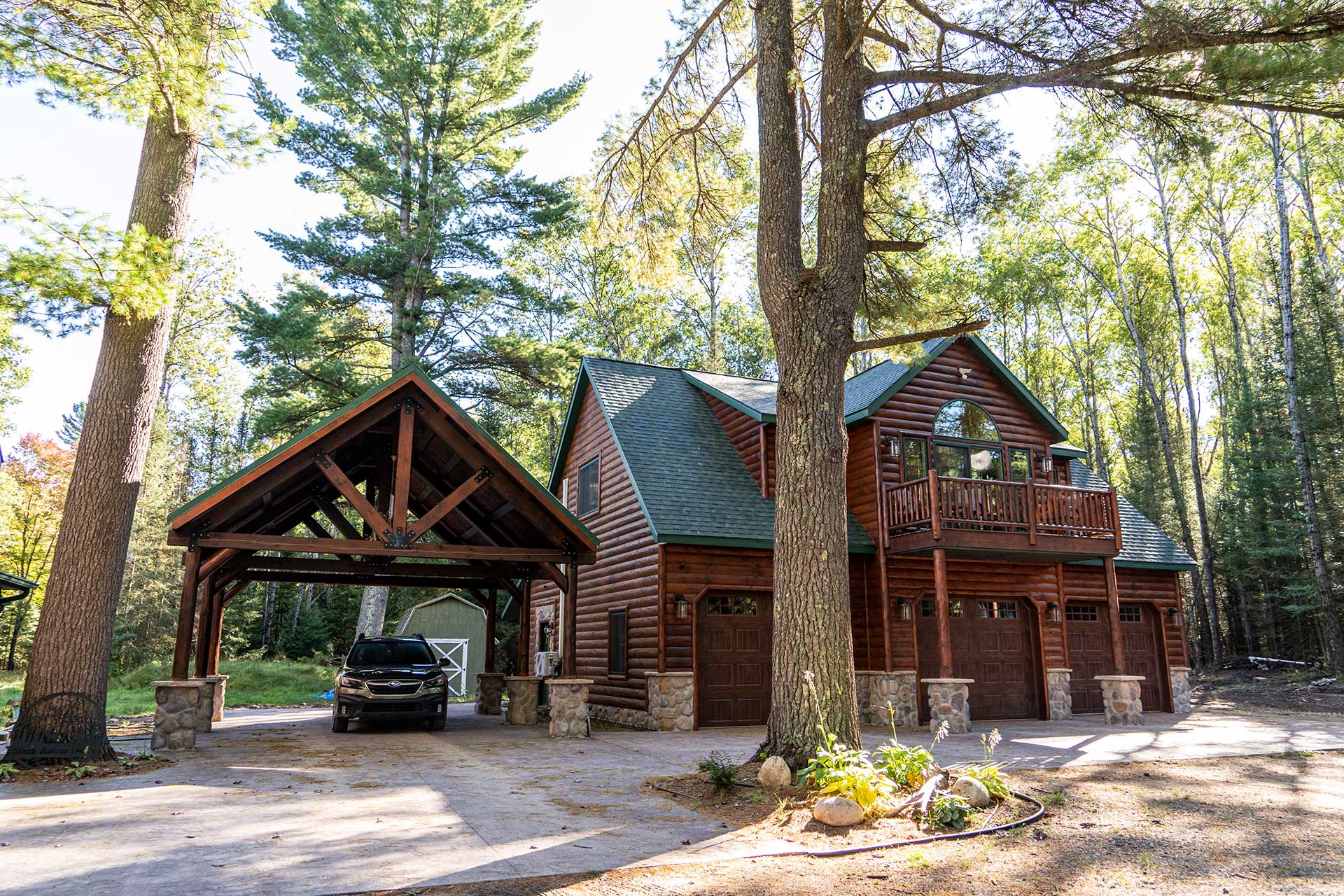
You know the log cabin style is the look for you. Now find out how you can bring it to your home!
Contact us for a free estimate or for any additional questions.